
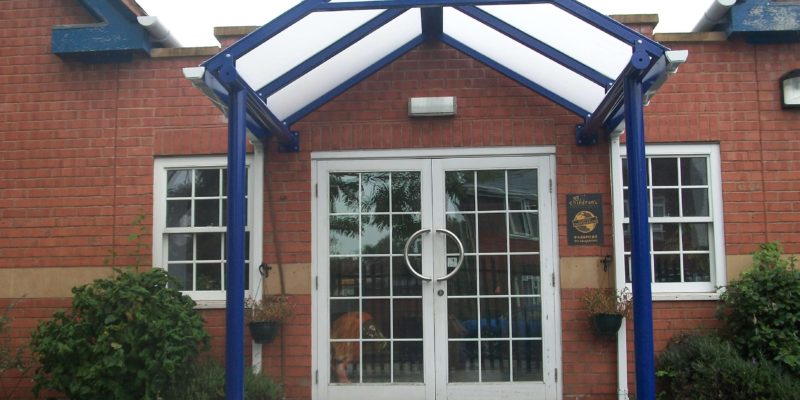
Your property’s entrance is the first impression visitors get, making it crucial to create a welcoming and aesthetically pleasing entryway. An entrance canopy not only adds to the visual appeal but also provides practical benefits, such as protection from the elements and enhanced safety. Choosing the right entrance canopy involves considering various factors, from material and design to installation and maintenance.
In this comprehensive guide, we will explore everything you need to know to select the perfect entrance canopy for your property. We will discuss the benefits of different materials, design options, and installation considerations, helping you make an informed decision that enhances both the functionality and appearance of your entrance. Whether you’re looking to upgrade a residential property or enhance a commercial building, this guide will provide valuable insights to ensure your canopy meets your needs and exceeds your expectations.
Understanding the Benefits of an Entrance Canopy
An entrance canopy serves multiple purposes, making it a valuable addition to any property. From providing practical benefits to enhancing aesthetic appeal, here are some key advantages of installing an entrance canopy.
Protection from Elements
One of the primary benefits of an entrance canopy is its ability to shield your entryway from the elements. Whether it’s rain, snow, or intense sunlight, a well-designed canopy provides robust protection. This not only keeps you and your visitors dry and comfortable but also protects your doors, windows, and other entryway features from weather-related damage, extending their lifespan and reducing maintenance costs.
Aesthetic Appeal
An entrance canopy can significantly enhance the visual appeal of your property. Available in a variety of styles, materials, and colours, canopies can be customized to complement the architecture and design of your building. A stylish canopy creates a focal point that draws attention to your entrance, adding a touch of elegance and sophistication. Whether your property has a modern, traditional, or contemporary design, there’s a canopy style that will enhance its overall look.
Increased Property Value
A well-designed and functional entrance canopy can add value to your property. Prospective buyers and tenants often look for features that provide both aesthetic and practical benefits. A canopy can make your property stand out in the market, potentially increasing its resale or rental value. By investing in a quality canopy, you not only improve the current appeal and functionality of your property but also make a smart long-term investment.
Practical Uses
Beyond protection and aesthetics, entrance canopies offer several practical benefits. They create a shaded area that can be useful for various purposes, such as waiting for transport, receiving deliveries, or simply providing a comfortable spot to pause before entering the building. Additionally, by reducing the exposure to rain and snow, canopies help prevent slippery surfaces, enhancing safety for everyone who uses the entrance.
Assessing Your Needs
Choosing the right entrance canopy starts with a thorough assessment of your specific needs and requirements. Understanding what you want to achieve with your canopy and how it will integrate with your property is crucial for making an informed decision. Here are the key factors to consider:
Purpose and Functionality
Primary Use: Determine the primary purpose of the canopy. Are you looking for protection from the elements, an aesthetic enhancement, or both? Knowing the main function will guide you in choosing the right design and materials.
Specific Requirements: Consider any additional functionalities you might need. For example, do you need the canopy to provide shade, reduce heat, or offer shelter during deliveries? Identifying these needs will help you select the most appropriate features.
Property Style and Design
Architectural Harmony: Your canopy should complement the existing architecture of your property. Whether your building has a modern, traditional, or contemporary design, the canopy should blend seamlessly with the overall aesthetic.
Color and Material Coordination: Choose colors and materials that match or contrast effectively with your property’s exterior. For instance, if your property has a sleek, modern look, an aluminium canopy with clean lines and a neutral color might be ideal.
Design Elements: Consider design elements such as the shape, trim, and decorative features of the canopy. These details can significantly impact the visual appeal and harmony with your property.
Location and Space
Entrance Size: Measure the dimensions of your entrance area to determine the appropriate size of the canopy. Ensure that the canopy provides adequate coverage without overwhelming the space.
Surrounding Environment: Evaluate the surrounding environment, including the landscape, nearby structures, and any potential obstructions. This will help you choose a canopy that fits well within the available space and does not interfere with other elements.
Height and Clearance: Ensure that the canopy’s height is sufficient for people to pass under comfortably. Consider any necessary clearances for doors, windows, and other architectural features.
Material Options
Choosing the right material for your entrance canopy is crucial for ensuring durability, functionality, and aesthetic appeal. Different materials offer distinct benefits, so it’s important to understand the options available and how they align with your specific needs.
Aluminium Canopies
Advantages: Aluminium is a popular choice for entrance canopies due to its exceptional durability and resistance to rust and corrosion. Unlike steel, aluminium does not rust, making it ideal for outdoor structures exposed to the elements. Additionally, aluminium is lightweight yet strong, making it easy to install and maintain.
Ideal Applications: Aluminium canopies are perfect for modern and contemporary designs. Their sleek, clean lines and metallic finish can enhance the look of any property. Moreover, aluminium can be powder-coated in a variety of colors to match or complement your building’s exterior.
Maintenance: Aluminium canopies require minimal maintenance. A simple wash down with soapy water once a year is typically sufficient to keep them looking new. This low-maintenance feature makes aluminium an economical and practical choice.
Polycarbonate Glazing
Types of Polycarbonate:
- 4mm Tinted UV Stable Polycarbonate: This type of glazing offers excellent UV protection, reducing the harmful effects of sun exposure. The tint also provides a degree of privacy while still allowing light to pass through.
- 16mm White or Bronze Multiwall Polycarbonate: Multiwall polycarbonate provides superior insulation and strength. The white or bronze tint options allow you to customize the light diffusion and aesthetic appeal.
- Solid Polycarbonate Panels: Solid panels offer the highest level of durability and protection, making them ideal for areas that require extra strength.
Benefits: Polycarbonate glazing is known for its high impact resistance and UV protection. It is lightweight, easy to handle, and can be customized in various colors and finishes. Polycarbonate is also an excellent insulator, helping to maintain temperature and reduce energy costs.
Applications: Polycarbonate canopies are versatile and suitable for both residential and commercial properties. They are ideal for areas where you want to maximize natural light while providing protection from UV rays.
Solid Aluminium Panels
Benefits: Solid aluminium panels provide a robust and durable option for canopy roofing. They offer complete protection from the elements and are highly resistant to impact and wear. Aluminium panels can be powder-coated in a variety of colors to match your property’s exterior.
Aesthetic Considerations: Solid aluminium panels give a sleek, modern appearance, perfect for contemporary properties. They offer a seamless, clean look that can enhance the architectural appeal of your entrance.
Comparison with Other Materials
Wood: Wood canopies offer a traditional and warm aesthetic but require regular maintenance to prevent rot, warping, and insect damage. They are less durable compared to aluminium and polycarbonate and may not be suitable for all climates.
Steel: Steel canopies are very strong and durable but are prone to rust if not properly treated and maintained. They are heavier than aluminium and may require more complex installation.
Glass: Glass canopies provide a sleek, modern look and allow maximum light transmission. However, they are heavy, require more structural support, and can be more expensive and fragile compared to polycarbonate.
Design and Customization
The design and customization of your entrance canopy are crucial for ensuring that it not only meets your functional needs but also enhances the overall aesthetics of your property. From standard designs to bespoke solutions, here’s how you can tailor your canopy to perfectly suit your entrance.
Standard vs. Custom Designs
Standard Designs: Standard canopy designs offer a quick and cost-effective solution. These pre-designed canopies come in a variety of shapes and sizes, and they are ideal if you need a straightforward, no-fuss installation. Standard designs are typically more affordable and readily available, making them a convenient choice for many property owners.
Custom Designs: Custom-designed canopies provide the ultimate in personalization. With bespoke solutions, you can tailor every aspect of the canopy to match your specific requirements and preferences. This is particularly beneficial for unique architectural styles or specific functional needs that standard designs might not address.
Customization Options
Colours: The colour of your canopy can significantly impact its visual appeal. Aluminium canopies can be powder-coated in a wide range of colours to either match or contrast with your property’s exterior. Polycarbonate glazing also comes in various tints, such as clear, bronze, or opal, allowing you to control the amount of light and privacy.
Shapes and Styles: Entrance canopies come in various shapes and styles, including dome, flat, pitched, and arched designs. The choice of shape can affect both the aesthetic and functional aspects of the canopy. For instance, a pitched canopy might be better for shedding rainwater, while a dome shape can provide a more classical look.
Installation Considerations
Proper installation is crucial to ensure that your entrance canopy is safe, functional, and aesthetically pleasing. Understanding the different installation options and what each entails will help you make an informed decision and ensure a seamless process. Here are the key aspects to consider:
Free-Standing vs. Wall-Mounted
Free-Standing Canopies: Free-standing canopies are supported by four legs, making them an independent structure that doesn’t rely on the building for support. This option is ideal if you want flexibility in positioning or if your building’s walls are not suitable for supporting a canopy.
- Benefits: Offers more flexibility in placement, can be positioned anywhere near the entrance, does not require wall modifications.
- Considerations: Requires sufficient ground space and sturdy foundations to support the structure.
Wall-Mounted Canopies: Wall-mounted canopies are attached directly to the building, providing a seamless integration with the property’s facade. This type is ideal for properties with limited ground space or for those seeking a more integrated look.
- Benefits: Saves ground space, provides a clean, integrated look, typically easier to install if the wall structure is strong enough.
- Considerations: Requires a strong, stable wall for support, may need additional reinforcement or modifications to the wall.
Installation Process
Pre-Installation Assessment: Conduct a thorough site survey to assess the suitability of the location. This includes measuring the area, checking the structural integrity of the walls (for wall-mounted canopies), and ensuring there are no obstructions or underground utilities for free-standing canopies.
Foundation Preparation: For free-standing canopies, prepare the foundations where the canopy legs will be anchored. This might involve digging and setting concrete footings to ensure stability.
Mounting the Canopy: For wall-mounted canopies, the mounting brackets and supports are fixed to the building’s facade. Ensure that the attachments are secure and capable of bearing the canopy’s weight. For free-standing canopies, the legs are anchored into the prepared foundations.
Assembly and Securing: Assemble the canopy frame and attach the roof panels or glazing. Ensure all joints and connections are secure to prevent leaks and ensure structural integrity.
Final Adjustments and Inspection: Once assembled, make any necessary adjustments to ensure the canopy is level and securely attached. Conduct a final inspection to check for any potential issues, such as loose fittings or incomplete sealing.
Permits and Regulations
Local Building Codes: Check your local building codes and regulations before installing an entrance canopy. Some areas may have specific requirements regarding the size, materials, and structural support for canopies.
Permits: Obtain any necessary permits for the installation. This often involves submitting plans and specifications to local authorities for approval. Ensuring compliance with local regulations helps avoid fines and legal issues.
HOA or Community Guidelines: If your property is part of a homeowners association (HOA) or a community with specific architectural guidelines, ensure your canopy design and installation meet these standards.
Budget and Cost
When selecting an entrance canopy for your property, it’s essential to consider your budget and understand the factors that influence the overall cost. A well-planned budget ensures that you get the best value for your investment while meeting your functional and aesthetic needs. Here are key points to consider regarding budget and cost.
Factors Affecting Cost
Material Choices: The type of material you choose for your canopy significantly impacts the cost. Aluminium and polycarbonate are generally more affordable and low-maintenance compared to other materials like glass or high-grade steel. Custom finishes or coatings can also add to the cost.
Customization: Custom-designed canopies are typically more expensive than standard models. The cost can increase based on the level of customization, including unique shapes, sizes, colors, and additional features like integrated lighting or branding.
Size and Complexity: Larger canopies or those with complex designs and structures will naturally cost more due to the increased amount of materials and labor required. Consider both the canopy’s footprint and height when estimating costs.
Installation Complexity: The complexity of the installation process can also affect the overall cost. Free-standing canopies may require more extensive groundwork and foundation preparation, while wall-mounted canopies might need special brackets and reinforcements. Difficult installations, such as those requiring modifications to the building or dealing with challenging site conditions, will increase labor costs.
Additional Features: Features such as integrated lighting, decorative elements, or bespoke design details can add to the overall cost. While these enhancements can greatly improve the functionality and aesthetics of the canopy, they also require additional investment.
Budget Planning
Setting a Realistic Budget: Begin by setting a realistic budget that reflects your financial capacity and the scope of the project. Consider the long-term benefits and potential increase in property value when determining how much to invest in a high-quality canopy.
Prioritizing Needs and Wants: Identify which features are essential and which are optional. Prioritizing your needs ensures that your budget focuses on the most important aspects, such as durability and functionality, while optional features can be included if budget permits.
Getting Quotes: Obtain multiple quotes from reputable suppliers and installation companies. Compare the costs, services, and warranties offered to ensure you get the best value for your investment.
Cost vs. Value
Quality and Durability: Investing in high-quality materials and professional installation might have a higher initial cost but can save money in the long run by reducing maintenance and replacement expenses. Durable materials like aluminium and polycarbonate offer excellent longevity and performance.
Aesthetic and Functional Benefits: A well-designed and properly installed canopy enhances the aesthetic appeal and functionality of your property. This can increase the property’s market value and attract potential buyers or tenants, providing a return on investment.
Maintenance Costs: Consider the long-term maintenance costs associated with different materials and designs. Low-maintenance materials like aluminium and polycarbonate require minimal upkeep, which can reduce ongoing expenses.