
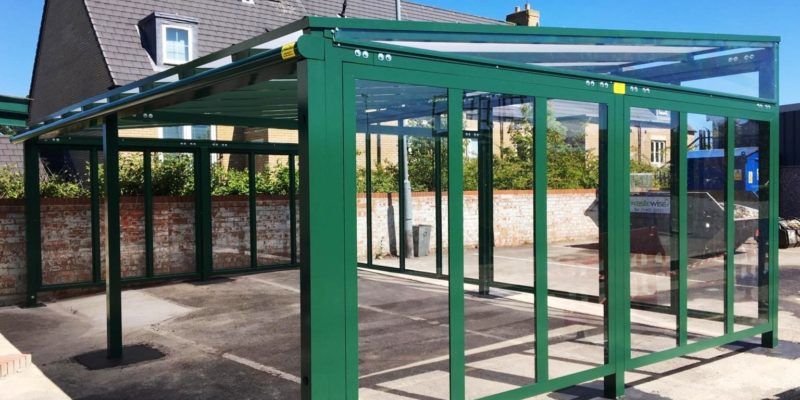
A well-designed school courtyard is more than just an outdoor area—it’s a space that can significantly enhance the student experience and overall appeal of a school. Imagine students gathering under shaded canopies for outdoor lessons, or taking a break in a peaceful, green space that invites relaxation and social interaction. Courtyards, when thoughtfully planned, can transform the atmosphere of a school, making it a more inviting and functional environment for everyone.
Why School Courtyards Matter
Outdoor spaces in schools play a crucial role in fostering a positive learning environment. They offer students a place to unwind, socialize, and engage in informal learning, which can complement the more structured classroom setting. A well-maintained courtyard with the right elements can become a central hub for school activities, promoting both mental and physical well-being.
Whether it’s for outdoor classrooms, play areas, or simply a place for students to enjoy fresh air during breaks, the courtyard is a vital part of the school’s ecosystem. But to make the most of this space, it’s essential to consider how to make it comfortable, practical, and aesthetically pleasing.
The Power of Shelter Solutions Canopies
One of the most effective ways to enhance a school courtyard is by incorporating durable, customizable canopies. Shelter Solutions offers a range of canopies that are designed not just to provide shelter but to enhance the overall functionality and appearance of outdoor spaces. Here’s why their canopies are an excellent choice:
- Durability: Made from 100% rust-free aluminium, these canopies are built to last, even in harsh weather conditions.
- UV Protection: The roofing materials offer protection from harmful UV rays while still allowing natural light to filter through, creating a bright and welcoming space.
- Customizable Designs: Every school is unique, and so are its needs. Shelter Solutions canopies can be tailored to fit specific requirements, whether it’s the size, shape, or color.
- Enclosure Options: To add further functionality, you can opt for side panels, doors, or shutters, turning the canopy into a versatile space that can be used year-round.
- Expert Installation: The same team that manufactures these canopies will handle the installation, ensuring a seamless process from start to finish.
- Long-Term Guarantee: With a 15-year guarantee, schools can invest with confidence, knowing their canopy will stand the test of time.
The Role of School Courtyards in Enhancing Education
School courtyards play a pivotal role in shaping the educational environment, offering a space where students can learn, play, and interact in ways that extend beyond the traditional classroom. These outdoor areas are not just patches of greenery or concrete; they are integral to the holistic development of students, contributing to their mental and physical well-being, fostering social interactions, and enhancing the overall aesthetic appeal of the school. In this section, we will explore how well-designed school courtyards can significantly enhance the educational experience.
Mental and Physical Well-Being: The Impact of Outdoor Spaces on Student Health
The mental and physical well-being of students is a primary concern for educators, and school courtyards can play a crucial role in promoting both. Research has shown that exposure to natural environments can reduce stress, improve mood, and enhance cognitive functioning in students. Courtyards provide a natural setting where students can take a break from the structured indoor environment, breathe fresh air, and engage in physical activities that are essential for their health.
1. Mental Health Benefits:
- Stress Reduction: Courtyards offer a peaceful retreat where students can relax and unwind. The presence of greenery, natural light, and open spaces has been proven to lower cortisol levels, the hormone associated with stress. A courtyard filled with plants, flowers, and trees can create a serene environment that helps students recharge during breaks, leading to improved focus and productivity when they return to class.
- Improved Mood and Concentration: Natural environments are known to have a calming effect, which can enhance students’ overall mood. Access to outdoor spaces during the school day allows students to take mental breaks, which can lead to better concentration and a more positive attitude towards learning. This is particularly beneficial for students who may struggle with the demands of a rigorous academic schedule.
2. Physical Health Benefits:
- Increased Physical Activity: Courtyards provide ample space for physical activities, which are essential for the overall health and well-being of students. Whether it’s a quick game of basketball, a yoga session, or simply running around, the opportunity to move and exercise during the school day can help combat the sedentary lifestyle that is often associated with extended periods of classroom time.
- Exposure to Natural Light: Natural light is crucial for maintaining a healthy circadian rhythm, which regulates sleep patterns and overall energy levels. A well-lit courtyard allows students to absorb sunlight, which is a natural source of Vitamin D, essential for bone health and immune function. Moreover, natural light exposure has been linked to improved mood and better academic performance, making it an invaluable resource in the school environment.
Social Interaction and Informal Learning: Creating Spaces for Connection
In addition to supporting physical and mental well-being, school courtyards serve as important social hubs where students can interact, collaborate, and learn from one another in an informal setting. These interactions are vital for the development of social skills, emotional intelligence, and a sense of community among students.
1. Fostering Social Skills:
- Peer Interaction: Courtyards offer a less formal environment where students can engage with their peers outside of the structured classroom setting. These interactions are crucial for developing social skills such as communication, empathy, and teamwork. Whether it’s chatting with friends during lunch or participating in a group activity, the courtyard provides a space where students can build and strengthen their relationships.
- Inclusive Spaces: A well-designed courtyard can cater to diverse student needs, offering spaces for both group activities and quiet reflection. By providing a variety of seating arrangements and activity zones, courtyards can accommodate different social dynamics, ensuring that all students feel included and valued.
2. Encouraging Informal Learning:
- Learning Through Play: Courtyards can be designed to encourage learning through play, which is particularly important for younger students. Playgrounds, outdoor learning stations, and interactive art installations can all be incorporated into the courtyard design, offering students opportunities to explore and learn in a more hands-on, experiential manner.
- Interdisciplinary Learning: Outdoor spaces can be used to integrate different subjects, such as science, art, and physical education, into the learning experience. For example, a school garden can serve as a living laboratory for biology lessons, while a shaded area under a canopy can become an outdoor art studio. This interdisciplinary approach not only makes learning more engaging but also helps students see the connections between different areas of study.
Aesthetic Appeal: How a Beautiful Courtyard Improves School Image
The aesthetic appeal of a school courtyard goes beyond just creating a pleasant environment; it reflects the values and identity of the school, contributing to its overall image and reputation. A well-maintained and thoughtfully designed courtyard can enhance the school’s attractiveness to prospective students, parents, and staff, making it a source of pride for the entire school community.
1. Enhancing Visual Appeal:
- Design Elements: The inclusion of design elements such as pathways, seating, and landscaping can transform a basic outdoor space into a visually appealing courtyard. By carefully selecting materials, colors, and plants, schools can create a cohesive and inviting environment that complements the architecture and identity of the school.
- Seasonal Beauty: Incorporating a variety of plants that bloom at different times of the year can ensure that the courtyard remains beautiful throughout the seasons. This dynamic display of colors and textures can make the school grounds more inviting and engaging, encouraging students to spend more time outdoors.
2. Boosting School Morale and Community Pride:
- A Space for Celebration: Courtyards often serve as the backdrop for school events, such as assemblies, performances, and celebrations. A beautifully designed courtyard can enhance these events, making them more memorable and enjoyable for students, staff, and visitors alike.
- School Identity and Branding: The design of the courtyard can reflect the school’s ethos and values, reinforcing its identity. For example, a school with a strong focus on environmental education might feature sustainable landscaping, a school garden, or a rainwater collection system. These elements not only beautify the space but also communicate the school’s commitment to certain principles.
- Community Engagement: A well-designed courtyard can also foster a sense of community, both within the school and with the broader public. By hosting community events or allowing local organizations to use the space, the school can strengthen its ties with the community, further enhancing its reputation and appeal.
Conclusion
In summary, school courtyards are vital components of the educational environment, offering numerous benefits that contribute to student well-being, social development, and the school’s overall aesthetic appeal. By carefully designing these spaces with the needs of students and the school community in mind, educators can create outdoor environments that not only support academic success but also enrich the school experience in meaningful ways.
Whether it’s through the promotion of physical and mental health, the facilitation of social interactions, or the enhancement of the school’s visual identity, a well-designed courtyard can have a lasting positive impact on the entire school community. As we move forward in this blog, we will explore how to implement these ideas effectively, particularly through the use of durable, customizable canopies that can help maximize the potential of your school courtyard.
Key Elements of a Welcoming School Courtyard
Creating a welcoming school courtyard involves more than just setting up benches and planting a few trees. A well-designed courtyard is a carefully curated space that balances aesthetics, functionality, and inclusivity, ensuring that it meets the diverse needs of students, staff, and visitors. In this section, we will explore the key elements that contribute to a welcoming school courtyard, focusing on comfortable seating areas, greenery and landscaping, pathways and accessibility, and creative art and decoration. Each of these elements plays a crucial role in transforming an outdoor space into a vibrant hub of activity and relaxation.
1. Comfortable Seating Areas: Providing Spaces for Relaxation and Interaction
One of the most essential elements of a welcoming school courtyard is the provision of comfortable seating areas. These spaces serve as gathering points where students can relax, socialize, and engage in informal learning. Thoughtfully designed seating areas can enhance the usability of the courtyard, making it a preferred spot for students during breaks and after school.
a. Variety of Seating Options:
- Fixed Benches and Picnic Tables: These are staples in school courtyards, offering durable and weather-resistant options that can withstand heavy use. Fixed benches and picnic tables can be strategically placed under canopies or near green spaces to create inviting spots for relaxation and socialization.
- Movable Furniture: Incorporating movable seating options such as chairs, stools, and bean bags adds flexibility to the courtyard. Students can rearrange these items to suit their needs, whether they’re working on group projects, holding informal discussions, or simply enjoying some quiet time.
- Inclusive Seating: It’s important to consider the needs of all students, including those with disabilities. Providing accessible seating options that accommodate wheelchairs or other mobility aids ensures that the courtyard is an inclusive space where everyone can feel comfortable and included.
b. Shaded Areas:
- Canopies and Shade Structures: Integrating canopies or shade structures into the seating areas is crucial for making the courtyard usable year-round. These structures provide protection from the sun and rain, allowing students to enjoy the outdoor space in all weather conditions. Durable, customizable canopies, like those offered by Shelter Solutions, are particularly effective as they can be tailored to fit the specific needs of the school.
- Natural Shade: Planting trees around seating areas is another way to provide shade. Trees not only offer protection from the sun but also contribute to the overall aesthetic of the courtyard. Deciduous trees, for example, provide shade in the summer while allowing sunlight to filter through in the winter.
c. Comfort Features:
- Ergonomic Design: Seating should be designed with comfort in mind. Ergonomic benches and chairs that support good posture can make the courtyard a more inviting place for students to spend time.
- Soft Surfaces: Consider incorporating soft surfaces, such as cushioned seating or grass areas, where students can sit or lie down comfortably. These areas can be particularly popular for relaxation and informal gatherings.
2. Greenery and Landscaping: Creating a Serene Environment
Greenery and landscaping are fundamental components of a welcoming courtyard. They not only enhance the visual appeal of the space but also contribute to the mental and physical well-being of students by creating a serene environment.
a. Plant Selection:
- Diverse Plantings: Incorporating a variety of plants, including trees, shrubs, flowers, and grasses, adds texture and color to the courtyard. This diversity can create a dynamic environment that changes with the seasons, keeping the space visually interesting year-round.
- Low-Maintenance Plants: Schools often have limited resources for maintaining outdoor spaces, so selecting low-maintenance plants is crucial. Native plants, which are well-adapted to the local climate, require less water and care, making them an ideal choice for school courtyards.
- Educational Gardens: Consider creating educational gardens where students can learn about different plant species, gardening techniques, and environmental stewardship. These gardens can be integrated into the curriculum, offering hands-on learning opportunities.
b. Layout and Design:
- Zoned Landscaping: Dividing the courtyard into different zones, such as flower beds, grassy areas, and vegetable gardens, can make the space more engaging and functional. Each zone can serve a specific purpose, from providing a quiet place for reflection to offering a space for active play.
- Water Features: Adding water features, such as fountains or small ponds, can enhance the tranquility of the courtyard. The sound of running water has a calming effect and can help drown out noise from nearby roads or playgrounds, making the courtyard a more peaceful place.
- Sustainable Practices: Incorporating sustainable landscaping practices, such as rain gardens, composting areas, and the use of permeable paving, can make the courtyard an environmentally friendly space. These features can also serve as educational tools, teaching students about sustainability and conservation.
3. Pathways and Accessibility: Ensuring All Students Can Enjoy the Space
Accessibility is a key consideration in the design of a school courtyard. It’s important to create a space that is easy to navigate for all students, including those with disabilities. Well-designed pathways and accessibility features ensure that everyone can enjoy the courtyard equally.
a. Clear and Safe Pathways:
- Wide Walkways: Pathways should be wide enough to accommodate groups of students and those using mobility aids. A width of at least 1.8 meters (6 feet) is generally recommended to ensure comfortable movement through the courtyard.
- Non-Slip Surfaces: To prevent accidents, especially in wet conditions, pathways should be constructed from non-slip materials such as textured concrete, rubber paving, or permeable pavers. These surfaces provide good traction and reduce the risk of slips and falls.
- Lighting: Adequate lighting along pathways is essential for safety, particularly during early morning or late afternoon hours. Solar-powered lights are an eco-friendly option that can be installed along walkways to ensure they are well-lit without consuming a lot of energy.
b. Accessibility Features:
- Ramps and Handrails: Where there are changes in elevation, ramps with gentle slopes should be provided alongside stairs to ensure wheelchair access. Handrails should be installed on both sides of ramps and stairs to provide additional support.
- Tactile Indicators: For students with visual impairments, tactile paving or indicators can be used to mark the edges of pathways, stairs, and other key areas. These indicators help visually impaired students navigate the courtyard safely and independently.
- Signage: Clear, easy-to-read signs that use both text and symbols can help all students, including those with cognitive disabilities, navigate the courtyard. Signage should be placed at key decision points, such as intersections of pathways or entrances to specific areas.
4. Creative Art and Decoration: Adding Personality and Inspiration
Art and decoration can infuse a school courtyard with personality, making it a unique and inspiring space. Creative elements such as murals, sculptures, and student artwork not only enhance the visual appeal but also reflect the culture and values of the school.
a. Murals and Wall Art:
- Themed Murals: Large-scale murals that reflect the school’s ethos, history, or the local community can serve as focal points in the courtyard. These murals can be created by professional artists or, even better, by students as part of an art project. Themes could include environmental awareness, cultural diversity, or historical events, making the murals both beautiful and educational.
- Interactive Art: Consider incorporating interactive art elements that engage students in the creative process. For example, a chalkboard wall where students can express themselves or a mosaic project that allows them to contribute to a larger work of art over time.
b. Sculptures and Installations:
- Sculpture Gardens: Installing sculptures in the courtyard adds a three-dimensional artistic element to the space. These sculptures can range from abstract forms to representations of historical figures or important symbols that resonate with the school’s mission.
- Temporary Installations: Rotating temporary art installations can keep the courtyard feeling fresh and dynamic. These could include seasonal displays, student art exhibitions, or collaborative projects that involve the entire school community.
c. Student Involvement in Decoration:
- Student Artwork Displays: Creating designated areas for displaying student artwork can make the courtyard feel like a community space and give students a sense of pride and ownership. This could include framed paintings, photographs, or even digital art displayed on outdoor screens.
- Collaborative Projects: Encourage students to participate in the decoration of the courtyard through collaborative art projects. These projects could include painting murals, designing garden layouts, or building small structures like birdhouses or benches. Involving students in the creation of these elements fosters a sense of ownership and belonging, making the courtyard a true reflection of the school community.
Conclusion
A welcoming school courtyard is one that thoughtfully integrates comfortable seating, lush greenery, accessible pathways, and creative art, creating a space that is not only functional but also inspiring and inclusive. By considering the diverse needs and preferences of the school community, and by incorporating elements that encourage relaxation, interaction, and creativity, schools can transform their courtyards into vibrant outdoor spaces that enhance the educational experience. As we move forward in this guide, we will explore how to further elevate these spaces by incorporating durable, customizable canopies that can make school courtyards usable and enjoyable year-round.
Enhancing Your School Courtyard with Shelter Solutions Canopies
A well-designed school courtyard can serve as an extension of the classroom, a space for relaxation, and a hub for social interaction. However, the full potential of these outdoor spaces can only be realized when they are equipped to withstand various weather conditions and provide a comfortable, safe environment year-round. This is where Shelter Solutions canopies come into play. In this section, we will explore how integrating Shelter Solutions canopies into your school courtyard design can enhance the space, focusing on their durability and longevity, UV protection and natural light, customizable designs, and enclosure options.
1. Durability and Longevity: Built to Withstand the Test of Time
When investing in outdoor infrastructure for a school, durability is a key consideration. School courtyards are high-traffic areas, subjected to constant use by students, staff, and visitors, as well as exposure to the elements. Shelter Solutions canopies are engineered to meet these demands, providing a reliable and long-lasting solution.
a. 100% Aluminium Construction:
- Rust-Free and Resilient: Shelter Solutions canopies are constructed from 100% aluminium, a material known for its resistance to rust and corrosion. Unlike steel, which can rust over time when exposed to moisture, aluminium maintains its structural integrity even in harsh weather conditions. This makes Shelter Solutions canopies an ideal choice for schools, particularly in regions prone to rain, snow, or humidity.
- Lightweight Yet Strong: Aluminium is both lightweight and strong, allowing for the creation of canopies that are easy to install and maintain, yet robust enough to withstand strong winds and heavy loads. This combination of properties ensures that the canopies can endure daily wear and tear, providing schools with a long-term, low-maintenance solution.
b. Long-Term Guarantee:
- 15-Year Guarantee: Shelter Solutions backs their canopies with a 15-year guarantee, providing schools with peace of mind and a clear indication of the product’s durability. This long-term guarantee is a testament to the quality of the materials and craftsmanship involved in creating these canopies. It ensures that schools can rely on their investment for years to come, without worrying about frequent repairs or replacements.
- Low Maintenance Requirements: One of the key benefits of Shelter Solutions canopies is their low maintenance requirements. The aluminium structure does not require regular painting or treatment to prevent rust, and the durable roofing materials are designed to withstand the elements without frequent upkeep. This reduces the burden on school maintenance teams and ensures that the courtyard remains a functional and attractive space year-round.
2. UV Protection and Natural Light: Creating a Safe and Bright Environment
Outdoor spaces in schools must be designed with student safety in mind, particularly when it comes to exposure to the sun. Prolonged exposure to harmful UV rays can pose health risks, making it essential to provide adequate protection in outdoor areas. Shelter Solutions canopies are designed to address this concern, while also enhancing the quality of the space with natural light.
a. UV-Blocking Roofing Materials:
- Protection from Harmful Rays: Shelter Solutions canopies feature roofing materials that block harmful UV rays, protecting students and staff from the risks associated with sun exposure. This is particularly important in schools, where students may spend extended periods outdoors during breaks, physical education classes, or outdoor learning sessions. By reducing UV exposure, these canopies contribute to a safer and healthier school environment.
- Enhanced Comfort: In addition to protecting against UV rays, the canopies also help to regulate the temperature in the shaded areas, making the courtyard more comfortable during hot weather. This allows students to enjoy the outdoor space without the risk of overheating or sunburn, encouraging more frequent use of the courtyard.
b. Natural Light Penetration:
- Bright and Inviting Spaces: While providing protection from the sun, Shelter Solutions canopies are also designed to allow natural light to filter through, creating bright and inviting spaces. The use of translucent roofing materials ensures that the courtyard remains well-lit during the day, reducing the need for artificial lighting and creating a more pleasant atmosphere.
- Improved Mood and Productivity: Natural light is known to have positive effects on mood and productivity, making it a valuable asset in educational settings. By allowing ample natural light into the courtyard, the canopies create a space where students can study, relax, and socialize in a bright, uplifting environment. This can contribute to better academic performance and overall well-being.
3. Customizable Designs: Tailored Solutions for Every School
No two schools are exactly alike, and neither are their courtyards. The unique needs and aesthetic preferences of each school community require solutions that can be tailored to fit specific requirements. Shelter Solutions canopies offer a high degree of customization, allowing schools to create outdoor spaces that reflect their identity and meet their functional needs.
a. Flexible Design Options:
- Size and Shape Variability: Shelter Solutions canopies can be customized in terms of size and shape, ensuring a perfect fit for any courtyard layout. Whether the space requires a large canopy to cover an entire seating area or smaller, individual canopies for various zones within the courtyard, the designs can be adjusted to meet the specific needs of the school.
- Color and Finish Choices: Schools can choose from a range of colors and finishes to ensure that the canopies complement the existing architecture and design of the campus. Whether the goal is to create a bold, eye-catching statement or a more subtle, harmonious look, the customization options allow schools to achieve the desired aesthetic.
b. Branding and Identity:
- Incorporating School Colors and Logos: For schools looking to reinforce their brand and identity, Shelter Solutions canopies can be customized with school colors, logos, or mascots. This not only enhances the visual appeal of the courtyard but also fosters a sense of pride and belonging among students and staff.
- Themed Designs: Customization also allows for the creation of themed courtyards that align with the school’s educational focus or values. For example, a school with an emphasis on environmental education might choose canopies that incorporate natural colors and materials, or a school with a strong sports program might opt for canopies that reflect the team colors. This level of customization ensures that the courtyard becomes a true extension of the school’s identity.
4. Enclosure Options: Expanding Functionality with Side Panels, Doors, and Shutters
While open canopies provide excellent protection from the sun and rain, there are times when additional shelter and enclosure are needed to make the courtyard usable in all weather conditions. Shelter Solutions offers a range of enclosure options that can be added to their canopies, enhancing the functionality of the courtyard.
a. Side Panels and Doors:
- Year-Round Usability: Adding side panels and doors to canopies can transform an open courtyard into a sheltered space that can be used year-round. These enclosures protect against wind, rain, and cold temperatures, making the courtyard a versatile space for outdoor learning, events, and gatherings, regardless of the weather.
- Flexible Configurations: The enclosure options are customizable, allowing schools to choose the level of protection they need. For example, schools can opt for retractable side panels that can be opened or closed depending on the weather, or solid doors that provide security and protection during off-hours. This flexibility ensures that the courtyard remains functional and accessible in all seasons.
b. Shutters and Ventilation:
- Controlled Ventilation: Shutters can be added to the canopies to provide controlled ventilation, ensuring that the enclosed space remains comfortable even in warm weather. These shutters can be adjusted to allow for airflow while still providing protection from the elements, creating a well-ventilated and comfortable environment.
- Enhanced Security: In addition to providing weather protection, shutters and doors can also enhance the security of the courtyard. When closed, they prevent unauthorized access to the space, ensuring that the courtyard and any equipment or furniture within it are secure outside of school hours.
Conclusion
Shelter Solutions canopies offer a comprehensive solution for enhancing school courtyards, providing durability, UV protection, customizable designs, and enclosure options that make outdoor spaces more functional, comfortable, and visually appealing. By integrating these canopies into your courtyard design, you can create a space that is not only a hub of activity and learning but also a safe and welcoming environment for students and staff year-round.
Whether your school is looking to create a dedicated outdoor classroom, a shaded play area, or a versatile space for events and gatherings, Shelter Solutions canopies can be tailored to meet your needs. With their robust construction, long-term guarantee, and flexible design options, these canopies represent a smart investment in the future of your school’s outdoor spaces. As we continue in this guide, we will explore creative courtyard design ideas that can be enhanced with the addition of Shelter Solutions canopies, helping you make the most of your school’s outdoor areas.
Creative Courtyard Design Ideas Featuring Canopies
A school courtyard is more than just an outdoor space; it is a dynamic environment where students can learn, play, and interact in a less formal setting. Integrating canopies into courtyard designs not only provides practical benefits like weather protection but also opens up creative possibilities for transforming these spaces into versatile, engaging areas that enhance the overall educational experience. In this section, we will explore a variety of creative courtyard design ideas featuring Shelter Solutions canopies, including outdoor learning spaces, play and recreation zones, themed courtyards, and community and student involvement in courtyard design.
1. Outdoor Learning Spaces: Expanding the Classroom Beyond Four Walls
One of the most exciting ways to use canopies in a school courtyard is by creating outdoor learning spaces. These areas can serve as extensions of the classroom, allowing students to experience the benefits of fresh air and natural surroundings while they learn.
a. Outdoor Classrooms:
- Flexible Learning Environments: Canopies can be used to create outdoor classrooms that are flexible and adaptable to different teaching styles and activities. With a durable canopy overhead, outdoor classrooms can be used in various weather conditions, making them a practical addition to any school. These spaces can be equipped with movable seating and tables, whiteboards, and even outdoor technology setups, allowing teachers to conduct lessons that take full advantage of the natural environment.
- Interdisciplinary Learning: Outdoor classrooms are ideal for interdisciplinary learning, where subjects like science, art, and physical education can be taught in an integrated manner. For example, a lesson on plant biology can be complemented by hands-on gardening activities, art projects inspired by nature, and discussions on environmental conservation. The presence of a canopy ensures that these activities can continue regardless of weather changes, making the outdoor classroom a reliable educational resource.
b. Specialized Learning Zones:
- STEM Areas: Designating specific areas of the courtyard as STEM (Science, Technology, Engineering, and Mathematics) zones can encourage hands-on learning in these critical subjects. A canopy can cover an area dedicated to experiments and projects, protecting sensitive equipment and providing a shaded space for students to work. This setup not only makes STEM activities more engaging but also demonstrates the practical application of these subjects in real-world settings.
- Creative Arts Spaces: Outdoor creative arts spaces can be used for activities like painting, sculpture, and drama. Canopies provide the necessary shelter to protect art supplies and ensure that performances can go on without being interrupted by rain or excessive sunlight. These spaces can be designed to inspire creativity, with features like open walls for murals or small stages for performances, all under the protective cover of a canopy.
2. Play and Recreation Zones: Safe and Shaded Areas for Physical Activity
Play is a critical component of a child’s development, and providing safe, shaded areas for play and recreation in school courtyards is essential. Canopies can be strategically placed to enhance these areas, making them usable throughout the school year.
a. Shaded Playgrounds:
- UV Protection for Play Areas: One of the main concerns for outdoor play areas is protecting children from harmful UV rays. Shelter Solutions canopies provide an effective solution by offering shaded spaces where students can play safely, even during peak sunlight hours. Canopies can be installed over playground equipment, sandpits, or open areas where children typically congregate, ensuring that these spaces remain cool and comfortable.
- Weather-Resistant Play Zones: In addition to sun protection, canopies also provide shelter from rain, allowing outdoor play to continue even in less-than-ideal weather conditions. This ensures that recess and physical activity are not limited to indoor spaces, promoting a more active lifestyle for students.
b. Sports and Fitness Areas:
- Outdoor Gyms and Courts: Canopies can be used to cover outdoor gym areas, basketball courts, or other sports facilities, making them accessible and comfortable regardless of weather conditions. This encourages physical activity and allows for regular sports practice and fitness sessions without the interruptions caused by rain or excessive heat.
- Multipurpose Activity Spaces: Covered areas can also be designed as multipurpose activity spaces where students can engage in a variety of physical activities, from yoga and dance to team sports and individual fitness challenges. The flexibility of these spaces, combined with the protection offered by canopies, makes them valuable assets for schools looking to promote physical health and well-being.
3. Themed Courtyards: Creating Unique and Engaging Outdoor Environments
Themed courtyards can provide unique, immersive environments that inspire and engage students. Canopies play a crucial role in bringing these themes to life by enhancing the space and making it functional throughout the year.
a. Eco-Friendly Gardens:
- Sustainable Courtyards: Schools with a focus on environmental education can create eco-friendly gardens that serve as living laboratories for students. Canopies can be integrated into these gardens to provide shelter for plants that require shade or to create covered workspaces where students can engage in gardening activities. The use of canopies also supports sustainability by reducing the need for artificial structures, allowing natural processes like rainwater collection to occur more effectively.
- Outdoor Classrooms in Nature: An eco-friendly themed courtyard can include an outdoor classroom where students learn about ecology, biology, and environmental science. Canopies made from sustainable materials or designed to blend with the natural surroundings can enhance the aesthetic and functional appeal of these spaces, making them integral to the school’s environmental education program.
b. Sensory Zones:
- Engaging the Senses: Sensory zones are designed to engage students’ senses through touch, sound, smell, and sight. These areas can be particularly beneficial for students with sensory processing disorders, providing a calming and stimulating environment. Canopies in these zones can be designed to incorporate elements like wind chimes, hanging plants, and textured materials that contribute to the sensory experience.
- Calming Spaces: Sensory zones can also serve as calming spaces for students who need a break from the hustle and bustle of school life. Canopies create a sheltered, serene environment where students can relax and recharge, making the sensory zone an important feature of a well-rounded school courtyard.
c. Art Corners:
- Outdoor Art Galleries: Schools with a strong emphasis on the arts can create outdoor art galleries in their courtyards, where student artwork is displayed under protective canopies. These galleries can include sculptures, murals, and other creative installations that add character to the space and provide students with a platform to showcase their talents.
- Interactive Art Spaces: Canopies can also be used to create interactive art spaces where students participate in ongoing art projects. These areas could include walls where students can paint or draw, tables for sculpting and crafting, or even digital art installations that encourage creativity in a collaborative environment.
4. Community and Student Involvement: Fostering Ownership and Pride
Involving students and the wider community in the design and maintenance of the school courtyard can foster a sense of ownership and pride in the space. Canopies can serve as focal points for these collaborative efforts, making the courtyard a true community hub.
a. Student-Led Design Projects:
- Empowering Student Voices: Giving students a voice in the design of their courtyard can lead to innovative and meaningful outcomes. For example, students can be involved in choosing the color and style of the canopies, deciding on the layout of the seating areas, or even creating art installations that will be displayed under the canopies. This involvement not only empowers students but also ensures that the courtyard reflects their needs and preferences.
- Hands-On Learning Opportunities: Design projects that involve the installation and customization of canopies provide hands-on learning opportunities for students interested in architecture, engineering, and design. Working on these projects can give students practical experience in project management, teamwork, and creative problem-solving, all while enhancing their school environment.
b. Community Engagement:
- Collaborative Spaces: The courtyard can also be designed as a space for community engagement, where parents, local artists, and other community members are invited to contribute. Canopies can create covered areas for community events, such as art shows, performances, or garden parties, making the courtyard a gathering place for the entire school community.
- Partnerships with Local Businesses: Schools can partner with local businesses to sponsor canopy installations or contribute to the design and maintenance of the courtyard. These partnerships can provide valuable resources for the school while fostering a sense of community support and involvement.
Conclusion
Integrating canopies into school courtyard designs opens up a world of creative possibilities, transforming these outdoor spaces into versatile, engaging, and functional environments. Whether you’re looking to create outdoor classrooms, shaded play areas, themed gardens, or community gathering spaces, Shelter Solutions canopies provide the durability, customization, and aesthetic appeal needed to bring these ideas to life.
By carefully planning the layout and design of the courtyard, and by involving students and the community in the process, schools can create spaces that not only enhance the educational experience but also foster a sense of pride and belonging among students. As you continue to explore ways to optimize your school’s outdoor spaces, consider how Shelter Solutions canopies can play a central role in realizing your vision, ensuring that your courtyard becomes a true asset to your school community.
The Long-Term Benefits of Investing in a School Canopy
Investing in a school canopy is more than just a practical decision; it is a strategic move that offers long-term benefits to the entire school community. From enhancing the learning environment to adding value to the property, school canopies are a valuable asset that pays dividends over time. In this section, we will explore the key long-term benefits of investing in a school canopy, focusing on durability and low maintenance, an enhanced learning environment, increased property value, and the peace of mind provided by Shelter Solutions’ 15-year guarantee.
1. Durability and Low Maintenance: A Cost-Effective Investment
One of the most significant advantages of Shelter Solutions canopies is their durability. Constructed from high-quality materials, including 100% rust-free aluminium, these canopies are designed to withstand the test of time, even in the most challenging environments.
a. Longevity and Robustness:
- Weather Resistance: Shelter Solutions canopies are engineered to endure a wide range of weather conditions, from heavy rain and snow to intense sunlight and wind. The use of rust-free aluminium ensures that the structure remains sturdy and intact, without succumbing to corrosion or deterioration over time. This resilience makes the canopies a reliable long-term solution for schools, eliminating the need for frequent replacements or repairs.
- Minimal Maintenance Requirements: The high-quality materials used in Shelter Solutions canopies also mean that they require minimal maintenance. Unlike other structures that may need regular painting, rust treatment, or repairs, these canopies are virtually maintenance-free. Routine cleaning is usually sufficient to keep the canopy in excellent condition, reducing the burden on school maintenance teams and freeing up resources for other important tasks.
b. Cost Savings Over Time:
- Reduced Maintenance Costs: The durability and low maintenance requirements of Shelter Solutions canopies translate into significant cost savings over time. Schools can avoid the recurring expenses associated with repairing or replacing less durable structures, making the initial investment in a high-quality canopy more cost-effective in the long run.
- Long-Term Reliability: The robust construction and materials ensure that the canopy will continue to perform its function for many years, providing consistent protection and shelter for outdoor spaces. This long-term reliability means that schools can count on their canopy to be a valuable asset for decades, further justifying the initial investment.
2. Enhanced Learning Environment: Year-Round Outdoor Activities
A well-designed school canopy can significantly enhance the learning environment by creating versatile outdoor spaces that can be used throughout the year. This expanded functionality supports a wide range of educational and recreational activities, enriching the overall student experience.
a. Extended Outdoor Learning Opportunities:
- All-Weather Classrooms: By providing shelter from rain, wind, and intense sunlight, canopies allow schools to create outdoor classrooms that can be used in all seasons. This flexibility is particularly valuable in regions with unpredictable weather, where outdoor activities might otherwise be limited. With a canopy in place, teachers can confidently plan outdoor lessons, knowing that their students will be comfortable and protected regardless of the weather.
- Diverse Learning Environments: Outdoor learning spaces offer a change of scenery that can invigorate students and make learning more engaging. Whether it’s a science lesson in a garden, a reading session in a shaded courtyard, or an art class under a canopy, these diverse environments stimulate creativity and encourage active participation. The canopy ensures that these activities can continue uninterrupted, regardless of weather conditions.
b. Improved Social Interaction and Well-Being:
- Safe Spaces for Socializing: Canopies create sheltered areas where students can gather, socialize, and relax during breaks and lunchtime. These spaces promote social interaction and help build a sense of community among students. By providing a comfortable and protected environment, the canopy encourages students to spend more time outdoors, contributing to their overall well-being.
- Enhanced Physical Activity: Canopies also support physical education and recreational activities by providing shaded areas for sports, play, and exercise. The protection from the elements ensures that students can engage in physical activities year-round, which is crucial for their physical health and development. Schools can use canopies to create multipurpose outdoor spaces that cater to both learning and play, enriching the student experience.
3. Increased Property Value: A Smart Investment for the Future
Investing in a school canopy can also enhance the overall value of the school property. As schools evolve to meet the needs of modern education, the inclusion of well-designed outdoor spaces becomes increasingly important.
a. Enhanced Curb Appeal:
- Aesthetic Improvements: A well-placed, attractive canopy can significantly enhance the aesthetic appeal of the school’s outdoor spaces. Whether it’s a bold, modern design or a subtle, integrated structure, the canopy adds visual interest and improves the overall appearance of the school grounds. This increased curb appeal can make the school more attractive to prospective students and their families, contributing to higher enrollment rates.
- Professional Image: A well-maintained canopy reflects positively on the school’s commitment to providing a safe and conducive learning environment. It demonstrates a proactive approach to student well-being and education, which can enhance the school’s reputation within the community and among educational authorities.
b. Long-Term Asset Value:
- Property Appreciation: By improving the functionality and aesthetics of outdoor spaces, a canopy can contribute to the overall value of the school property. As outdoor spaces become more integral to the educational experience, the presence of high-quality infrastructure like canopies becomes a valuable asset. This added value can be particularly beneficial in the event of property sales, mergers, or expansions, where the enhanced outdoor facilities can command a higher market value.
- Sustainability and Future-Proofing: Investing in durable, low-maintenance canopies is also a step toward future-proofing the school’s infrastructure. As environmental sustainability becomes increasingly important, schools that prioritize long-lasting, sustainable solutions like Shelter Solutions canopies are better positioned to meet future regulatory and community expectations. This forward-thinking approach can further enhance the school’s value over time.
4. Peace of Mind: The Shelter Solutions 15-Year Guarantee
One of the most compelling benefits of choosing Shelter Solutions canopies is the peace of mind that comes with a 15-year guarantee. This long-term warranty underscores the company’s confidence in the quality and durability of its products.
a. Assurance of Quality:
- Comprehensive Coverage: The 15-year guarantee provides schools with comprehensive coverage, ensuring that any issues with the canopy will be addressed promptly and effectively. This assurance of quality gives schools confidence in their investment, knowing that the canopy is built to last and backed by a reliable warranty.
- Reduced Risk: The long-term guarantee also reduces the risk associated with large-scale infrastructure investments. Schools can trust that their canopy will continue to perform its function for many years, without the need for costly repairs or replacements. This reliability is particularly important in educational settings, where budget constraints often require careful planning and prioritization of long-term investments.
b. Long-Term Support:
- Ongoing Maintenance and Support: In addition to the warranty, Shelter Solutions offers ongoing maintenance and support services to ensure that the canopy remains in optimal condition. This long-term support further enhances the value of the investment, providing schools with expert assistance whenever needed and ensuring that the canopy continues to meet the school’s needs.
Conclusion
Investing in a school canopy from Shelter Solutions offers a wide range of long-term benefits, from enhanced durability and low maintenance to improved learning environments and increased property value. With the added assurance of a 15-year guarantee, schools can be confident that their investment will provide lasting value and contribute to a safe, functional, and attractive outdoor space for students and staff. By choosing a high-quality canopy, schools not only improve their current facilities but also make a strategic investment in their future.