
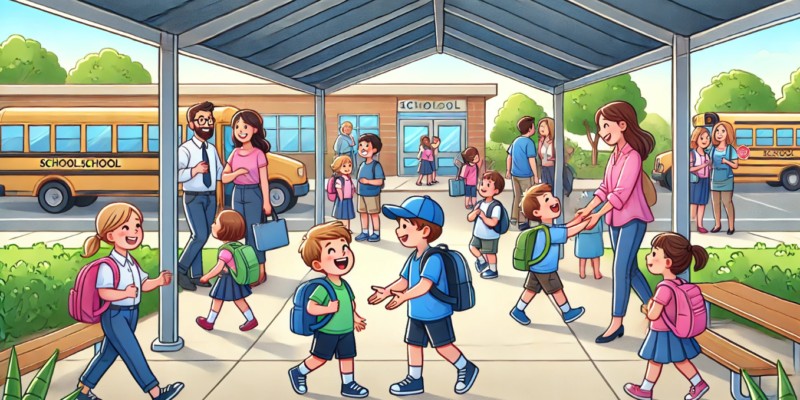
Outdoor learning isn’t just a trendy educational idea – it’s a proven way to improve student well-being and impress Ofsted inspectors 😊. Schools across the UK are discovering that by enhancing their outdoor spaces, they can create happier, healthier learners and meet key Ofsted criteria. In this post, we’ll show you how investing in outdoor areas (like installing school canopies) can benefit students’ mental and physical health, encourage better behaviour, and even contribute to higher Ofsted ratings.
British weather can be unpredictable (rain at playtime, anyone? 🌧️), so having sheltered outdoor areas is crucial. With the right structures in place, children can enjoy fresh air and exercise all year round. This leads to more engaged, less stressed students – and happier inspectors. Read on to learn about the benefits of outdoor learning, how it aligns with Ofsted’s framework, and what types of shelter solutions can help your school make the most of its outside space. We’ll also provide tips on implementing these solutions, with a handy breakdown of Ofsted criteria and a comparison of outdoor shelter options.
🌳 Benefits of Outdoor Learning for Students and Schools
Outdoor learning offers a host of benefits for children’s development and school outcomes. Numerous studies have found that time spent learning and playing outside boosts students’ focus, creativity, and well-being (ltl.org.uk).
Below is a quick summary of key benefits that outdoor activities can bring to pupils – and by extension, to the school as a whole:
| Benefit | How It Helps Students & Schools |
|---|---|
| Improved Focus & Engagement 🧠 | Being outdoors in natural light can reset students’ attention spans, making them more focused in lessons. Teachers report higher engagement during outdoor activities, which can translate into better performance back in the classroom . |
| Enhanced Creativity & Skills 🎨 | Outdoor settings encourage hands-on learning and creative thinking. From nature art to science experiments in the school garden, pupils develop problem-solving and teamwork skills that support the curriculum. |
| Better Physical Health 🏃 | More time outside means more physical activity. Active play improves fitness and motor skills. Plus, exposure to fresh air (even on chilly days) strengthens immune systems and can reduce sickness – meaning fewer absences 📅. |
| Boosted Mental Well-Being 😊 | Outdoor play reduces stress and anxiety. The freedom to explore and connect with nature lifts pupils’ mood and confidence. Over time, this leads to happier children and a more positive school atmosphere |
| Social & Personal Growth 🤝 | Outside the classroom, children often show better social skills – working together to build dens or observing insects fosters cooperation and curiosity. They also learn resilience (e.g. adapting games when it starts to drizzle) and independence, contributing to their personal development. |
As shown above, outdoor learning isn’t just a “nice-to-have” – it actively supports students’ academic and personal growth. In fact, research suggests that nature-specific outdoor learning has measurable socio-emotional, academic, and well-being benefits.
Children who engage in regular outdoor activities tend to be more motivated, confident, and socially adept. All these factors contribute to a thriving school environment that any Ofsted inspector would appreciate.
But how do these student benefits tie into Ofsted’s rating criteria? In the next section, we’ll break down what Ofsted inspectors look for and how outdoor spaces (especially weather-proof ones like canopies) can help your school meet those expectations.
🔍 Ofsted Outdoor Learning Criteria Breakdown
Ofsted evaluates schools in several key areas. While there isn’t a specific category called “outdoor learning”, a well-utilised outdoor space can positively influence multiple Ofsted criteria. Below is a breakdown of the main Ofsted inspection areas and how enhancing your outdoor facilities can contribute to each:
| Ofsted Inspection Area | What Inspectors Look For | How Outdoor Spaces/Canopies Help |
|---|---|---|
| Quality of Education 🎓 | The effectiveness of teaching & learning, curriculum delivery, and student engagement. | Outdoor learning diversifies teaching methods and keeps pupils engaged. A covered outdoor classroom enables hands-on activities (science experiments, art, reading circles) in fresh air, which studies show can improve focus and comprehension . |
| Behaviour and Attitudes 👍 | Pupil behaviour, attendance, attitude to learning, respect and responsibility. Inspectors notice behaviour during lessons and breaks. | Sheltered play areas lead to calmer breaks. With a canopy or shelter, students have a safe space to socialize even if it’s raining. This reduces stress and conflict on the playground, leading to better behaviour and fewer incidents. Consistent use of outdoor areas can also improve attendance (kids are less likely to stay home due to bad weather or illness). |
| Personal Development 🌱 | How the school supports students’ broader development – including physical and mental health, life skills, and enrichment. | Outdoor spaces = active, healthy kids. Canopies encourage physical play and exercise year-round, boosting health and fitness. Being outdoors also helps mental health by reducing anxiety and giving children space to relax and explore. Team games and nature learning outside build confidence, social skills, and resilience. These all contribute to well-rounded personal development. |
| Leadership and Management 🏫 | The effectiveness of school leaders in creating a positive environment, managing resources, and prioritising student welfare (and staff well-being). | Investing in outdoor infrastructure shows forward-thinking leadership. Adding a canopy or improving the grounds signals that school leaders value student welfare and innovative learning. It’s a visible, strategic investment in the environment that inspectors will notice. Involving the community (e.g. consulting parents on new play areas) also demonstrates inclusive management. |
As the table shows, a single improvement – say, installing a school canopy in the playground – can have a ripple effect across many Ofsted categories. For instance, an outdoor classroom canopy might primarily enhance the Quality of Education by enabling new teaching styles, but it will also impact Behaviour (through more space for pupils to decompress) and Personal Development (through increased outdoor activity).
Ofsted inspectors have expanded their view of what makes an effective school. It’s not just about test scores; it’s also about whether students are happy, healthy, and safe – and whether the school environment helps or hinders that. By making outdoor areas engaging and accessible year-round, you’re directly supporting those outcomes.
🎓 Quality of Education: Engaging Lessons Outdoors
Ofsted wants to see that students receive a high-quality education. This includes how well lessons are delivered and how engaged pupils are. Outdoor learning can be a trump card here. Imagine a science lesson where Year 5 students explore plant life outside instead of just reading about it – suddenly, the curriculum comes alive! 🌱 Under a canopy, teachers can hold lessons in nearly any weather, turning the outdoors into an extension of the classroom. This variety in teaching methods keeps kids interested and can improve their focus and creativity. Inspectors often praise schools that think outside the box (or rather, outside the classroom 😄) to enrich their curriculum.
😊 Behaviour & Attitudes: Calmer, Happier Break Times
Anyone who’s supervised a wet lunchtime indoors knows how chaotic it can get. Ofsted inspectors know it too. They look for schools that promote positive behaviour and respect. Providing covered outdoor spaces can drastically improve students’ attitudes and behaviour during breaks. Why? Because when kids have room to play, breathe, or even just sit quietly outside without getting soaked or sunburnt, they return to class calmer and more ready to learn.
For example, a canopy over part of the playground gives pupils a choice: they can run around or do a quiet activity in the shade. This reduces overcrowding and conflicts – fewer squabbles over indoor space or everyone trying to huddle under one small shelter. Teachers and midday supervisors often report fewer behaviour incidents when a school invests in outdoor shelters. And of course, better behaviour and attitudes feed into better attendance and learning outcomes. It’s a virtuous circle (or should we say, a virtuous cycle track if you also add a covered walkway for walking circuit exercise 🚴♀️).
🌱 Personal Development & Well-Being: Healthy Bodies and Minds
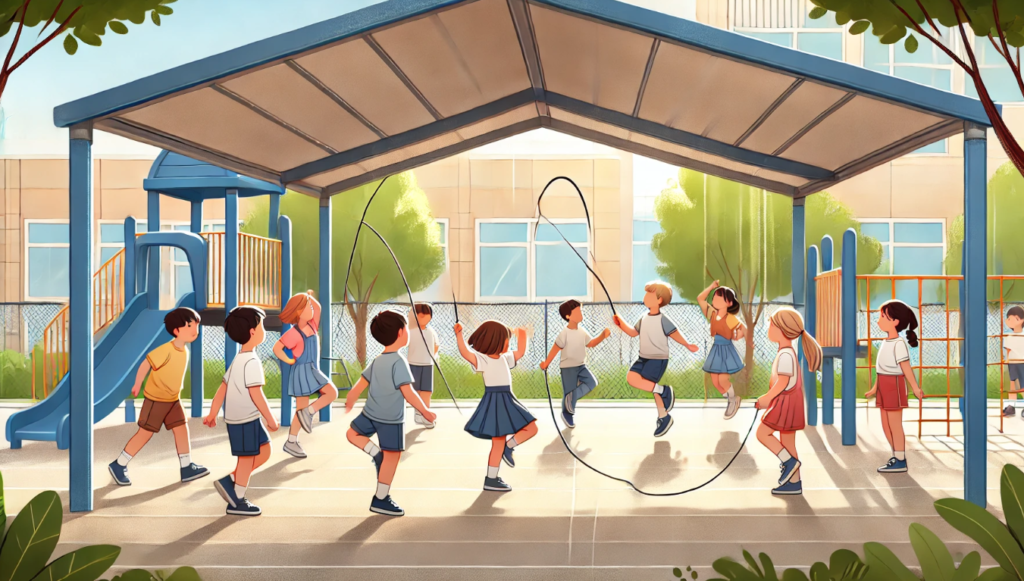
Ofsted’s Personal Development judgement covers how well schools support students’ holistic growth – including their health, well-being, and life skills. Outdoor spaces are invaluable for this. Children naturally thrive outside: they run, jump, laugh, explore, and unwind. By installing, say, a sheltered play area or an outdoor gym, a school encourages students to be active every day, not just in PE lessons. Physical health improvements (stronger muscles, better coordination, burning off energy) are accompanied by mental health benefits. Fresh air and a change of scenery can reduce stress and anxiety, especially for pupils who struggle with classroom confinement.
Under a canopy, even a drizzly day offers a chance for a brain break – a class might do a quick stretching routine or mindfulness exercise outdoors, which can re-energise everyone. Over time, these opportunities help build resilience and confidence. Children also develop social and leadership skills by playing games or engaging in team projects outside (like gardening clubs, which are great for nurturing responsibility 🌼). All these experiences contribute to producing well-rounded young people – something Ofsted highly values.
💼 Leadership & Management: A Vision for Improvement
School leaders who champion outdoor learning send a clear message: student well-being and innovative teaching matter here. From Ofsted’s perspective, investing in your site (like adding school canopies, shaded seating areas, or nature zones) is evidence of good leadership and management. It shows you’re using resources wisely to enhance the learning environment.
For instance, a headteacher who secures funding for a new outdoor classroom demonstrates strategic planning and a commitment to enriching the curriculum. In an Ofsted inspection, you might highlight how this investment has paid off – maybe behaviour incidents dropped, or more clubs (eco-club, outdoor reading club) have started thanks to the space. Engaging stakeholders is another plus: perhaps you consulted the student council on what kind of shelter to get, or involved parents and the PTA in fundraising. This collaborative approach can impress inspectors, showing that leadership is inclusive and forward-thinking.
In short, making positive changes to your outdoor spaces can be a tangible example of effective school leadership. It’s about creating an environment where children can flourish. And when leaders pave the way for such improvements, Ofsted is likely to recognise that in the Leadership & Management grade.
📈 Attendance & Outcomes: Keeping Kids in School (Rain or Shine)
While not a standalone Ofsted category, attendance and pupil outcomes are closely monitored. Outdoor facilities can indirectly give these a boost too. How so? Consider attendance first: if students have enjoyable experiences at school (like exciting outdoor lessons or clubs) and are less likely to fall ill (because they’re not stuck indoors with germs all day and have strong immunity from active play), they’re more likely to come to school regularly. A parent might be less hesitant to send a child in on a grey day knowing they won’t be cooped up inside at break time. By providing shelter from rain and wind, canopies ensure children still get out to play, which helps keep coughs and colds at bay – meaning fewer sick days.
As for academic outcomes, outdoor learning can enhance them by re-engaging disengaged learners and adding depth to understanding. A student who struggles with writing might shine in an outdoor poetry exercise describing the school garden, for example. Those confidence and comprehension gains eventually reflect in classroom performance and results. Also, quick fresh-air breaks or lessons outside can improve concentration when back in class, leading to better quality work. It’s all connected: healthy, happy students attend more and learn better, which leads to improved outcomes – a fact not lost on Ofsted.
By now, it’s clear that enhancing outdoor spaces isn’t just about playground aesthetics; it’s a strategic move that can uplift the whole school. From behaviour to well-being to leadership, the positive effects feed into each other. Schools are increasingly recognising this and making outdoor improvements a key part of their development plans (in line with initiatives for outdoor education and mental health). If you’re aiming for that Outstanding Ofsted rating 📜, consider the outdoors as part of your action plan!
🏗️ Comparing Outdoor Shelter Solutions for Schools
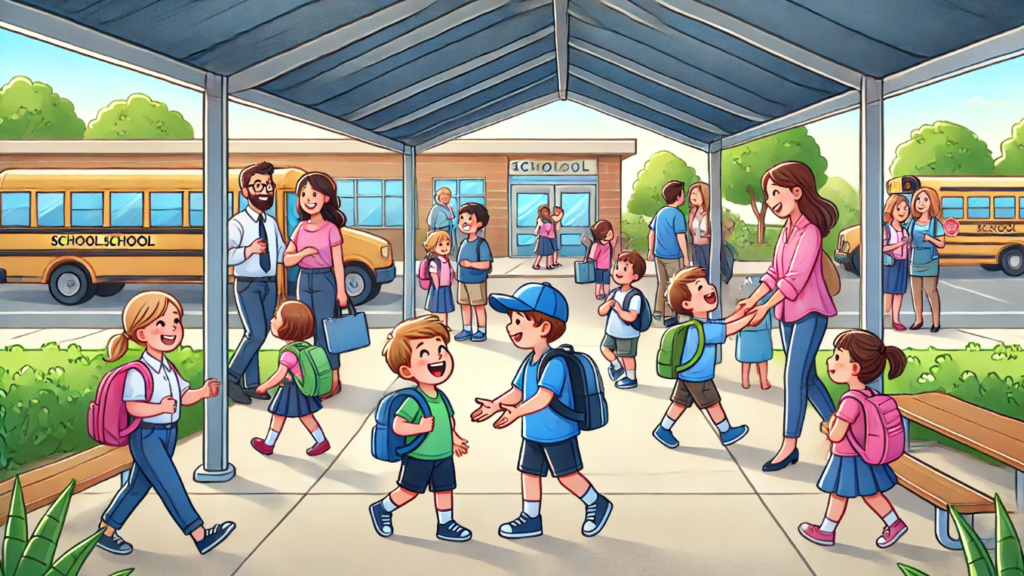
Once you decide to improve your outdoor spaces, the next question is how. There are various shelter solutions available to schools, each with its own benefits. Below is a comparison of some common options:
| Shelter Solution | Features & Benefits | Considerations |
|---|---|---|
| Permanent Canopy (Fixed) 🏫 e.g. steel or aluminium frame with polycarbonate roof |
All-weather, long-term solution. These canopies are custom-built to cover large areas like play zones or outdoor classrooms. They offer robust protection from rain and UV rays year-round. Many can be designed to complement your building’s aesthetics, and include extras like built-in seating or side panels. | Cost: Higher initial investment, but very durable (often lasting decades). Installation: Needs professional installation (can be done during holidays to minimise disruption). Maintenance: Low – quality materials (like powder-coated aluminium and shatterproof roofing) require minimal upkeep. |
| Shade Sails (Fabric Canopy) ⛱️ tensioned fabric stretched between posts |
Colourful and versatile. Shade sails provide sun protection and a defined outdoor spot for learning or play. They create a visually striking look (great for EYFS play areas or outdoor dining spaces). They’re usually more affordable than solid canopies and can be configured in different shapes. | Weather: Ideal for sun and light rain, but not heavy downpours or snow (fabric must be tensioned properly and taken down if severe weather). Lifespan: Good quality sails last years, but not as long as hard-roof canopies. Maintenance: May need occasional cleaning or re-tensioning. |
| Retractable Canopy/Awning 🎢 extendable shelter attached to building |
Flexibility on demand. Retractable canopies (often motorised) can extend to cover an area when needed (for shade or rain) and retract when not in use. Great for transforming courtyards or creating an outdoor classroom just outside a classroom door. They provide the best of both worlds – open sky when weather is fine, shelter when it’s not. | Cost: Can be comparable to permanent canopies due to mechanics involved. Usage: Requires operation (manual or electric); staff need to be mindful to retract during high winds, etc. Coverage: Typically covers a smaller area (e.g. a single class-sized space) compared to large fixed canopies. |
| Freestanding Gazebo / Outdoor Classroom Pod 🏕️ independent wooden or metal shelter, sometimes enclosed |
Dedicated outdoor learning hub. These can range from open-sided gazebos (think wooden structures often hexagonal/octagonal in shape) to more enclosed pods or yurt-style tents. They create a cosy outdoor classroom or quiet zone. Students love having a “den” outside! Some schools use them for forest-school activities or library corners. | Flexibility: Gazebos are usually permanent once installed, but smaller ones or tents can be moved/stored if needed. Capacity: May accommodate a small group rather than whole classes, depending on size. Maintenance: Wooden structures need periodic treatment; fabric pods need checking for wear. Ensure any enclosure still has good light and ventilation. |
| No Shelter (Open Air) 😅 Just outdoor space without covers |
Maximum freedom but weather-dependent. Open playgrounds, fields, or forest areas allow unrestricted play and can be great in fine weather. Schools with nature areas or gardening plots benefit from open-air learning when conditions allow. | Limitation: Weather can halt use – rain, excessive cold, or heat will send everyone indoors. Ofsted Impact: Still positive for having natural space, but lack of shelter might mean missed opportunities on rainy days. Tip: Combine open areas with one of the above solutions so you have flexibility. |
As the table suggests, a permanent school canopy is often the most comprehensive solution – it provides reliable, year-round use of outdoor space. This is a popular choice for many schools aiming to improve their facilities (check out our range of School Canopies to see examples of such installations). However, combining different solutions can also work well. For instance, some primary schools have a fixed canopy over the main playground and a few shade sails in the reception play area for colour and shade. Secondary schools might add a retractable awning outside the library for an al-fresco reading zone, or a gazebo in a quiet corner for a calm social area.
Budget and space will influence your choice of shelter. It’s important to weigh the long-term value – a cheaper fix now (like a simple sail) might need replacement sooner, whereas investing in a high-quality canopy could pay off over many years. Many schools find that a permanent structure, though initially a larger expense, delivers more value by being usable in all seasons and requiring little maintenance.
Internal or External? Ensure Safety and Compliance
When choosing any structure, make sure it’s designed for school use: strength, safety (no sharp edges, fire-resistant materials), and proper installation are key. Working with a reputable supplier is essential. A company specialising in school shelters (like Shelter Solutions 😇) can advise on the best option for your needs, provide custom designs, and handle planning permissions or building regs if needed.
To summarise this section: there’s no one-size-fits-all – the best solution might be a combination that turns your school’s outdoor areas into versatile, weather-proof spaces. Next, let’s look at how to go from idea to reality with some practical steps.
📋 From Plan to Playground: Steps to Implement Your Outdoor Space Upgrade
It’s exciting to imagine new canopies and play areas, but successful implementation requires careful planning. Here’s a simple step-by-step guide to help you enhance your outdoor space in a way that maximises benefits (and satisfies Ofsted criteria):
-
Assess Your Needs 🧐 – Start by looking at your school’s specific situation. Which areas are underused due to weather? Who will benefit most (e.g. Early Years, whole school, community)? Identify pain points like “children have nowhere to go when it rains at lunch” or “no space for outdoor classes”. This will guide what kind of shelter you need. (Tip: Involve student voice – pupils might have great ideas for their outdoor space!)
-
Align with Ofsted Priorities 🎯 – While planning, keep those Ofsted criteria in mind. For example, if you want to improve personal development, maybe focus on an outdoor gym or gardening area. For quality of education, perhaps an outdoor classroom canopy is key. Essentially, ensure your outdoor upgrade has a purpose tied to learning or well-being outcomes, not just looks. Document these intended impacts; you can later mention, “We added a canopy to facilitate year-round outdoor science experiments, enhancing our curriculum” during an inspection.
-
Set a Budget (and Explore Funding) 💷 – Determine how much you can spend. Prices will vary: a small sail is a few hundred pounds, a large bespoke canopy could be a few thousand. Look into grants or funding programs for improving school facilities or promoting physical activity – local councils or education trusts sometimes offer these. Engaging the PTA for fundraising or sponsorship can also help. Remember, this is an investment in the school’s future (often parents and governors are very supportive once they see the broad benefits, including Ofsted-related ones).
-
Research and Choose a Solution 🛠️ – Now, pick the specific solution(s) that meet your needs and budget. Do you go for the robust permanent canopy, or start smaller with a gazebo? This is where consulting experts is invaluable. Reach out to reputable school canopy suppliers (like Shelter Solutions – we offer free site surveys and quotes). They can provide drawings or photos of what’s possible. Check case studies or ask for references – a good supplier will have experience with other schools. Pay attention to warranties and materials (e.g. aluminium frames won’t rust, polycarbonate roofs last long and block UV). Also, consider colour and design – you might want the shelter to match school colours or branding.
-
Installation & Safety Check 🔧 – Plan installation for a time that minimizes disruption (school holidays or weekends are ideal). Ensure the company handles or advises on any planning permission if needed (some structures may not require it, but large ones or those near boundaries might). During installation, safety is paramount – the area should be cordoned off from students. After it’s built, do a safety inspection with the installer: check for stability, finish, and any necessary safety signage. Get any documentation (like structural calculations or material fire ratings) for your records.
-
Integrate and Evaluate 📊 – Once your new outdoor feature is in use, integrate it into school life! Encourage teachers to use the outdoor classroom regularly, or schedule rota for classes to have storytime under the canopy. Observe the effects: Are kids more active at break? Are incidents down? Collect feedback from staff and students. Over the following months, track metrics related to your goals – for instance, has attendance improved this winter compared to last? or are more lessons happening outdoors each week? This evidence not only proves the investment was worth it, but you can also mention it in self-assessments or to inspectors: “Since installing the canopy, we’ve increased outdoor learning by 50%, and teachers report better concentration in afternoon classes.” 🎉
By following these steps, you’ll ensure that your shiny new outdoor addition isn’t just a pretty structure, but a strategic asset for the school. Proper planning and execution mean the shelter will effectively support student well-being and learning (and you can confidently showcase it during an Ofsted visit).
🎉 Key Takeaways: Outdoor Learning for Ofsted Success
Let’s recap the main points on how enhancing outdoor spaces can boost both student well-being and your Ofsted outcomes:
- 🌟 Improved Student Well-Being: More time outside (with suitable shelters) leads to healthier, happier pupils. Fresh air and play reduce stress and improve fitness – all part of personal development that Ofsted values.
- 🎓 Enriched Learning Experiences: Outdoor classrooms and activity areas make learning more engaging and hands-on. This supports the quality of education by catering to different learning styles and keeping students interested in lessons.
- 👍 Better Behaviour & Attitudes: With covered spaces to play or cool off, children are calmer and more respectful. Fewer behaviour flare-ups occur when students aren’t confined indoors all day. Positive attitudes flourish in a pleasant environment.
- 📈 Higher Attendance & Engagement: Weather-proof outdoor areas mean school is welcoming in all seasons – parents and students know learning and fun won’t stop for a bit of rain. Active, engaged children attend more regularly and contribute more in class, boosting overall outcomes.
- 💡 Strong Leadership Impression: Investing in your school grounds demonstrates proactive leadership and a commitment to well-being and innovation. It’s a visible improvement that inspectors (and the school community) can immediately appreciate. You’re literally building towards success!
Overall, the message is clear: Ofsted and outdoor learning go hand-in-hand. By enhancing your outdoor spaces, you’re not only doing what’s best for your students’ well-being and development, but also directly addressing many areas that Ofsted inspects. It creates a win-win scenario – children love it, staff love it, and inspectors will love to see it too.
🚀 Next Steps: Transform Your School’s Outdoor Space
Ready to take your outdoor learning environment to the next level? Whether you have a specific project in mind or just want to explore ideas, we’re here to help make it a reality. Shelter Solutions specialises in bespoke school canopies and outdoor structures that align with educational needs and Ofsted standards. From initial design to installation, we’ll guide you through a smooth process (with minimal disruption and maximum wow-factor 💪).
👉 Contact us today: If you’re excited to enhance your outdoor space and boost student well-being (and potentially your Ofsted ratings too), get in touch with Shelter Solutions. Our team can provide a free consultation and site survey, offering expert advice on the best shelter solutions for your school. Let’s work together to create an outdoor environment where children learn, play, and thrive – rain or shine! 🌈