
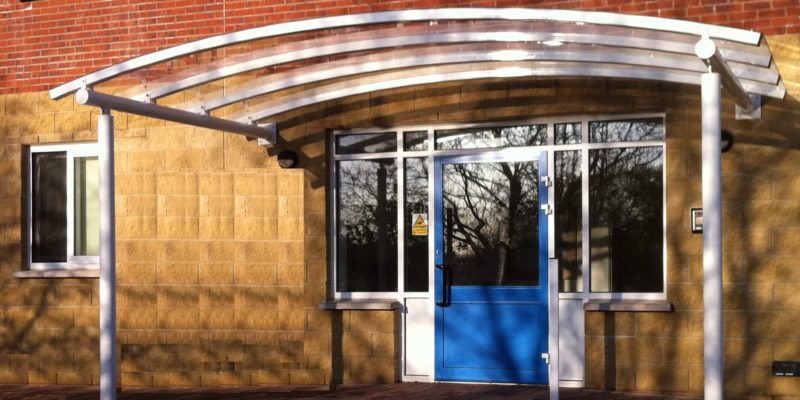
Picture a rainy morning at school – students and parents gather outside the entrance, huddled under umbrellas, trying to stay dry. Staff rush to usher children inside, but puddles and wet surfaces create slippery conditions. Now imagine the same scene with a sleek, modern canopy sheltering the entrance, providing full weather protection and enhancing the school’s appearance. The difference is striking.
School entrances are high-traffic areas that endure constant exposure to the elements. Without adequate protection, rain, snow, and even strong sunlight can create discomfort and safety hazards. Wet floors, soaked clothing, and sun exposure aren’t just inconveniences – they can lead to falls, health risks, and increased wear and tear on buildings.
Investing in weather protection, such as aluminium entrance canopies, offers a simple yet highly effective solution. Canopies provide shelter, improve the look of the entrance, and preserve the structural integrity of doorways and surrounding areas. They also demonstrate a school’s commitment to creating a safe, welcoming environment for students, parents, and staff.
In this blog, we’ll explore why weather protection is essential for school entrances, the features to consider when choosing a canopy, and how professional installation can ensure long-lasting results. Whether you’re upgrading an existing entrance or planning a new build, weather protection is a practical and aesthetic improvement that pays off for years to come.
Why Weather Protection is Essential for School Entrances
School entrances serve as the primary gateway for students, staff, and visitors. These high-traffic areas are exposed to various weather conditions year-round, from heavy rain and snow to harsh sunlight. Without adequate protection, schools face a range of issues that affect safety, building longevity, and overall experience. Installing weather protection, such as entrance canopies, offers a practical solution that addresses these challenges head-on.
1. Protecting Students, Staff, and Visitors
Children arriving at school are often met with unpredictable weather – rain-soaked mornings, blazing summer afternoons, or icy conditions in winter. Without shelter, they’re left vulnerable to the elements, leading to discomfort and potential health risks. Wet clothing, cold winds, and UV exposure can disrupt the start of the day, impacting concentration and overall well-being.
A canopy over the entrance creates an immediate refuge, providing cover while students wait for the bell or parents drop off younger children. This simple addition reduces the likelihood of students entering the building cold and wet, helping them stay focused and ready to learn. For parents and staff, entrance canopies offer a welcoming and protected space during busy drop-off and pick-up times.
2. Enhancing Safety and Preventing Accidents
Wet and slippery surfaces at school entrances pose a significant safety hazard. Rainwater often collects around doorways, creating puddles that lead to slips and falls – a common cause of injuries on school grounds. Snow and ice further exacerbate the risk during colder months.
By installing a canopy, schools can prevent water from pooling at entry points and reduce the risk of accidents. Canopies help keep surfaces dry by diverting rain and snow away from the entrance, ensuring that pathways remain clear and safe. Additionally, UV-stable canopy materials provide protection from sun glare, which can also affect visibility and safety at entrances.
3. Preserving Building Integrity
Constant exposure to weather can cause gradual but costly damage to school buildings. Rainwater seeping into entranceways can lead to wood rot, rust, and concrete deterioration. Over time, this compromises not only the aesthetics of the school but also its structural integrity.
Sun exposure can also cause fading and cracking of door materials, paintwork, and outdoor fixtures. These effects not only diminish the school’s appearance but lead to frequent repairs and repainting, adding to maintenance expenses.
A well-designed canopy acts as a protective shield, preserving doorways, flooring, and exterior walls by preventing direct exposure to the elements. By extending the lifespan of the entrance area, schools save significantly on repair and renovation costs in the long term.
4. Creating a Positive First Impression
The entrance is the first point of contact for parents, visitors, and inspectors. A well-maintained, sheltered entrance creates an immediate sense of care, professionalism, and pride in the school environment.
Entrance canopies can be custom-designed to match school colours and branding, adding to the overall aesthetic appeal. This not only reinforces school identity but also enhances the experience for prospective families during open days or school tours. A covered entrance exudes warmth and hospitality, reflecting a school’s commitment to providing a safe and nurturing environment.
5. Encouraging Outdoor Learning and Activities
Outdoor learning has become an essential part of modern education, with many schools incorporating outdoor classrooms, play areas, and assemblies into their curriculum. However, the unpredictability of weather can hinder these activities.
By extending canopy structures beyond entrances, schools can create multipurpose outdoor spaces that serve as covered areas for learning, break times, and events. This promotes outdoor engagement without the concern of sudden weather changes, fostering creativity and collaboration in a fresh-air environment.
6. Promoting Sustainability and Energy Efficiency
Canopies contribute to sustainability by reducing energy consumption in school buildings. By providing shade, entrance canopies help regulate indoor temperatures, preventing excessive heat gain during summer months. This reduces the reliance on air conditioning or fans, lowering energy bills and decreasing the school’s carbon footprint.
Additionally, by protecting building materials from weather-related wear and tear, schools can avoid the environmental impact associated with frequent repairs and material replacements.
Final Thoughts
Weather protection is more than a luxury – it’s an essential investment in the safety, functionality, and appearance of school entrances. By installing entrance canopies, schools not only improve the day-to-day experience for students and staff but also preserve the longevity of their buildings, enhance safety, and promote sustainable practices.
In the next sections, we’ll explore the design considerations for entrance canopies, key materials to choose from, and how professional installation ensures a seamless and long-lasting addition to your school’s infrastructure.
Key Features to Consider for Weather Protection Canopies
Choosing the right canopy for your school entrance requires more than just selecting a structure that looks good. To ensure long-lasting performance and effective weather protection, schools need to consider key design and material features. The right combination of durability, aesthetics, and functionality will ensure the canopy enhances the school environment while providing essential shelter.
Here are the critical factors to evaluate when planning a weather protection canopy for your school.
1. Material Selection: Durability Meets Practicality
The materials used in canopy construction directly affect its longevity, maintenance needs, and overall performance. When selecting materials, schools should prioritize durability, resistance to the elements, and ease of upkeep.
- Aluminium
- Why It Works: Aluminium is naturally rust-resistant, lightweight, and incredibly strong, making it ideal for long-term outdoor use. Unlike steel, aluminium does not corrode over time, eliminating the need for frequent repainting or galvanising.
- Low Maintenance: Requires minimal upkeep – occasional cleaning with soapy water is usually enough to keep it in top condition.
- Sustainability: Aluminium is recyclable, aligning with sustainability initiatives many schools are adopting.
- Polycarbonate Roofing
- Benefits: Polycarbonate is highly durable, UV-stable, and impact-resistant, making it perfect for canopy glazing or roofing. It offers excellent light transmission while blocking harmful UV rays, providing shade without sacrificing natural light.
- Versatility: Available in clear, tinted, or solid designs to match aesthetic preferences and functional needs.
- Steel (Pros & Cons)
- Strength: While steel is incredibly strong, it is prone to rust and requires galvanising or powder-coating to resist corrosion. This can add to long-term maintenance costs.
- Best Use: Steel may be suitable for areas with less exposure to constant rain but generally requires more care than aluminium.
2. Design Considerations: Form Meets Function
The canopy design should complement the school’s architecture while ensuring optimal coverage and protection. Practical design features can significantly improve functionality.
- Sloped Roofs and Drainage Systems
- Purpose: A sloped roof prevents water from pooling on top of the canopy, directing it safely away from the entrance. Integrated drainage systems, such as downspouts or guttering, further enhance water runoff.
- Why It Matters: Preventing water buildup reduces the risk of leaks, structural strain, and ice formation in winter.
- Overhang Size
- Coverage Area: The canopy overhang should extend beyond the entrance, providing ample coverage to protect both students and staff waiting outside.
- Guideline: Ideally, the overhang should stretch at least 1 to 1.5 meters beyond the entrance to provide sufficient shelter during rain.
- Side Panels and Enclosures
- Added Protection: In areas prone to wind and heavy rain, side panels or partially enclosed designs can provide enhanced protection by blocking wind-driven rain.
- Versatility: These panels can also double as additional branding spaces or display areas for school signage.
3. Customisation and Aesthetics: Aligning with School Identity
Canopies should not only serve a functional purpose but also enhance the visual appeal of the school. Customisation options allow schools to reflect their identity and branding through canopy design.
- Colour Options
- Powder-Coated Aluminium: Can be coated in any RAL or BS colour to match the school’s colour scheme or branding. Powder coating provides a long-lasting, fade-resistant finish that withstands harsh weather conditions.
- Unified Look: Matching the canopy to the school’s main building or playground equipment creates a cohesive, professional appearance.
- Logos and Signage
- School Branding: Canopies can feature school logos, crests, or inspirational messages, reinforcing pride and school identity.
- Application: Logos can be applied directly to the structure or etched into the side panels.
- Shapes and Styles
- Flexible Designs: Canopies can be curved, flat, or domed to match the architectural style of the school. A unique design can make the entrance more visually appealing while serving as a functional feature.
4. Size and Placement: Maximising Effectiveness
Determining the right size and location for the canopy is crucial to its overall performance. Canopies should be large enough to accommodate traffic flow but not obstruct pathways or access points.
- Primary Entrance Focus
- Priority Area: Start with canopies over main entrances where foot traffic is highest. This ensures maximum protection during drop-off and pick-up times.
- Secondary Entrances and Access Points
- Expanded Coverage: Consider smaller canopies over secondary entrances, side doors, and emergency exits. Providing consistent weather protection across the school enhances safety throughout the premises.
- Walkways and Outdoor Areas
- Linking Buildings: Canopies can connect buildings, offering sheltered walkways that protect students and staff from the elements when transitioning between areas.
- Assembly Points: Larger canopy structures can serve as outdoor gathering areas, doubling as assembly points for school events.
5. Safety and Compliance: Meeting Regulations
Schools must ensure that canopy installations comply with safety and building regulations. This not only protects the investment but guarantees the structure is safe for use.
- Wind and Load Ratings
- Why It’s Important: Canopies must withstand high winds and snow loads, particularly in areas with extreme weather. Ensure the canopy design adheres to local building codes.
- Non-Slip Flooring (Optional Add-On)
- Extra Safety: If the canopy extends over entrance stairs or ramps, consider adding non-slip surfaces to prevent accidents.
- Fire Safety Compliance
- Material Standards: Ensure canopy materials are fire-resistant and meet national safety standards.
6. Longevity and Warranty: Ensuring Long-Term Performance
A quality canopy should come with a guarantee that reflects the manufacturer’s confidence in the product. This provides schools with peace of mind and long-term protection.
- 15-Year Guarantee
- Industry Standard: Shelter Solutions offers a 15-year guarantee on aluminium canopies, covering rust, structural integrity, and the powder-coated finish.
- Lifespan
- Long-Term Investment: Aluminium canopies can last over 20 years with minimal maintenance, providing exceptional value for schools.
- Aftercare Services
- Ongoing Support: Opt for providers that offer aftercare services, ensuring any future maintenance needs are handled professionally.
Final Thoughts
Choosing the right entrance canopy for your school involves more than aesthetics – it’s about durability, safety, and long-term performance. By considering the materials, design, and customisation options, schools can create a practical and visually appealing entrance that stands the test of time.
In the next section, we’ll explore the installation process and how professional fitting ensures a flawless, lasting finish for your school’s canopy.
The Installation Process: Step-by-Step
Installing an entrance canopy is a transformative upgrade for any school, enhancing both functionality and aesthetics. However, ensuring a seamless and durable installation requires careful planning and execution. A well-installed canopy provides long-lasting weather protection, improves safety, and adds to the overall appeal of the building.
Here’s a step-by-step breakdown of the canopy installation process, from initial consultation to final inspection, to ensure a flawless finish that stands the test of time.
1. Site Survey and Consultation
The first step in the process is understanding the unique needs of the school.
- Why It Matters: Every school entrance is different. A site survey allows installers to evaluate the layout, measure dimensions, and assess the surrounding environment.
- What Happens:
- A professional surveyor visits the school to gather precise measurements of the entrance area.
- The surveyor identifies potential challenges (uneven ground, proximity to other structures, or drainage issues).
- Discussions cover the school’s specific requirements – from design preferences and size to colour schemes and additional features like side panels or logos.
- Outcome: A tailored plan is created to ensure the canopy fits perfectly and complements the school’s architecture.
2. Custom Design and Manufacturing
Once the site survey is complete, the next phase focuses on crafting a canopy that aligns with the school’s specifications.
- Design Process:
- Using measurements from the survey, the canopy is designed to fit the exact dimensions of the entrance.
- Customisation options – such as powder coating in school colours, logo application, and glazing choices – are incorporated into the design.
- Material Selection:
- Aluminium profiles are cut and shaped to form the frame. Aluminium is chosen for its durability, lightweight properties, and rust-resistant nature.
- Polycarbonate roofing panels are selected for their UV protection and impact resistance.
- Compliance Check:
- The design is reviewed to ensure it complies with local building codes, wind load requirements, and health and safety standards.
- Any necessary planning permissions are secured at this stage if required by local authorities.
- Outcome: A fully bespoke canopy, ready for installation, designed to last for decades with minimal maintenance.
3. Pre-Installation Preparation
Before the installation day, preparation ensures minimal disruption to school activities.
- Scheduling:
- Installation is scheduled during non-peak times – often during school holidays, weekends, or after school hours – to avoid interfering with daily operations.
- Ground Preparation:
- The installation team ensures the entrance area is clear, removing any obstacles or existing structures that may interfere with the canopy’s placement.
- In cases of uneven ground, adjustments are made to ensure the canopy is anchored securely.
- Delivery and Inspection:
- The canopy components are delivered to the site and inspected for any damage or inconsistencies before installation begins.
4. Canopy Installation
The heart of the process involves assembling and securing the canopy at the designated entrance.
- Step-by-Step Installation:
- Frame Assembly: The aluminium frame is assembled on-site or pre-assembled and transported to the school, depending on the size of the structure.
- Anchoring the Structure: Support posts are anchored into the ground using concrete foundations or secure base plates, ensuring the canopy remains stable and secure even in harsh weather.
- Roof Installation: Polycarbonate or glass panels are attached to the frame, forming the canopy’s roof. The panels are sloped to allow for proper water runoff.
- Drainage Integration: If applicable, drainage systems (like integrated gutters) are installed to direct rainwater away from the entrance.
- Finishing Touches: Side panels, school logos, and powder-coated finishing touches are added to complete the structure.
- Health and Safety Measures:
- The installation team follows strict safety protocols, ensuring all work is performed in compliance with regulations.
- Barriers may be set up around the entrance during installation to protect students and staff from the construction area.
5. Post-Installation Inspection
Once the canopy is fully installed, a thorough inspection ensures it meets quality standards and is ready for use.
- Structural Testing:
- The canopy is tested to ensure all components are secure, fastenings are tight, and the structure is stable.
- Weight loads are evaluated to confirm the canopy can withstand wind, rain, and snow.
- Visual Inspection:
- The canopy is checked for alignment, aesthetic appeal, and any potential defects in the powder coating or glazing.
- Drainage Check:
- If the canopy includes a drainage system, water tests are conducted to confirm that rainwater flows correctly away from the entrance.
- Outcome: A safe, secure, and visually appealing canopy that enhances the school entrance and provides reliable weather protection.
6. Final Handover and Maintenance Guidance
With the canopy installed and inspected, the final step is to hand over the completed project to the school.
- Walkthrough:
- The installation team provides a brief walkthrough, explaining key features of the canopy and demonstrating any maintenance tasks that may be required.
- Maintenance Tips:
- Simple cleaning tips are shared, such as washing the canopy with warm soapy water once a year to remove dirt and debris.
- The team advises on periodic inspections to ensure bolts and fasteners remain secure over time.
- Documentation:
- Schools receive warranty information (such as Shelter Solutions’ 15-year guarantee), ensuring long-term peace of mind.
7. Long-Term Support and Aftercare
Even after installation, ongoing support ensures the canopy remains in excellent condition for years to come.
- Annual Inspections (Optional): Some schools opt for yearly inspections to ensure the canopy continues to perform well over time.
- Repair Services: In the rare case of damage, professional repair services are available to restore the canopy to its original condition.
Final Thoughts
A professionally installed canopy is more than just an addition to your school – it’s a long-term investment in safety, aesthetics, and durability. By following this step-by-step process, schools ensure that their entrance canopies provide reliable weather protection, enhance curb appeal, and stand as a testament to quality for years to come.
If you’re considering a canopy installation for your school, reach out today to schedule a site survey or consultation.
Long-Term Maintenance and Care
One of the greatest advantages of installing an aluminium entrance canopy is its low-maintenance nature and long-lasting durability. Unlike steel, which requires frequent repainting and rust prevention treatments, aluminium canopies are designed to withstand harsh weather conditions with minimal upkeep. However, to ensure your canopy continues to look and perform at its best for years to come, a simple and consistent maintenance routine is essential.
Here’s a comprehensive guide to maintaining your school’s entrance canopy to prolong its lifespan and keep it looking as good as new.
1. Regular Cleaning: Keeping the Canopy Looking Fresh
Over time, dust, dirt, bird droppings, and general environmental pollutants can accumulate on the canopy’s surface. While aluminium is naturally resistant to corrosion, regular cleaning helps preserve its appearance and prevents staining or buildup.
How to Clean Your Canopy:
- Frequency: Clean the canopy at least once or twice a year or as needed, depending on the environment (urban areas may require more frequent cleaning).
- Materials:
- Warm soapy water
- Soft cloth or sponge
- A hose or low-pressure washer (avoid high-pressure settings that may damage the finish)
- Method:
- Rinse the canopy with clean water to remove loose dirt.
- Use a sponge or soft cloth dipped in soapy water to gently clean the surface.
- Rinse thoroughly with water to remove any soap residue.
- Let it air dry or wipe it down with a soft, dry cloth.
Avoid:
- Abrasive cleaning tools (such as wire brushes) that can scratch the powder coating.
- Harsh chemicals or solvents that can damage the aluminium’s finish.
2. Inspecting for Damage or Loose Fixtures
While aluminium canopies are designed to last for decades, periodic inspections help identify any minor issues before they develop into larger problems.
Key Areas to Inspect:
- Structural Joints and Fastenings – Check bolts, screws, and fasteners for signs of loosening due to wind or vibration.
- Drainage Systems (if applicable) – Ensure gutters and drainage pipes are clear of leaves and debris to prevent water overflow.
- Roof Panels (Polycarbonate or Glazing) – Look for cracks, discoloration, or warping, particularly after extreme weather conditions.
- Paint/Coating – Inspect the powder-coated surface for chips, peeling, or fading, although this is rare with high-quality coatings.
Frequency: Conduct inspections twice a year – ideally at the start of spring and autumn – and after severe weather events.
3. Addressing Minor Repairs Promptly
While aluminium’s resilience minimizes the need for repairs, occasional wear and tear or accidental damage may occur. Addressing minor issues quickly prevents further damage and extends the lifespan of the canopy.
Common Repairs:
- Tightening Loose Bolts or Screws – This can be done during routine inspections with simple tools.
- Panel Replacement – If a polycarbonate panel becomes cracked or clouded, replacing it is straightforward and inexpensive.
- Touch-Up Paint (if necessary) – Small chips in the powder coating can be touched up to prevent further wear, ensuring the canopy remains visually appealing.
4. Seasonal Maintenance Tips
Weather conditions can vary significantly throughout the year, so adjusting your maintenance routine seasonally can help preserve the canopy’s longevity.
Spring/Summer:
- Wash down the canopy to remove pollen, dust, and bird droppings accumulated during the warmer months.
- Inspect for UV damage on any polycarbonate roofing.
Autumn/Winter:
- Clear leaves and debris from gutters or drainage points to avoid blockages.
- Check for snow or ice buildup during the winter months and ensure proper drainage to prevent freezing water from damaging fastenings.
- Apply non-slip mats beneath the canopy entrance to reduce the risk of slips in icy conditions.
5. Longevity Through Warranty and Aftercare
At Shelter Solutions, all aluminium canopies come with an industry-leading 15-year guarantee. This warranty covers structural integrity, rust prevention, and the durability of the powder-coated finish. However, with proper maintenance, many canopies continue to perform well beyond the guarantee period.
Benefits of the Warranty:
- Peace of Mind: Structural damage or coating issues are covered, ensuring long-term reliability.
- Cost Savings: Reduces the need for expensive repairs or replacements during the warranty period.
Aftercare Services:
For schools that prefer professional maintenance, aftercare services are available, including annual inspections and repair work if needed. This ensures the canopy remains in peak condition for as long as possible.
6. Preventing Long-Term Wear and Tear
A few proactive measures can help prevent long-term wear and tear, reducing the frequency of maintenance tasks.
- Encourage Proper Use: Remind students and staff to avoid climbing or hanging on the canopy structure.
- Install Protective Barriers: Consider adding bollards or barriers around the canopy posts to protect them from accidental damage caused by bicycles or vehicles.
- Use Enclosed Canopies: If your school is in an area with extreme weather, partially enclosed canopies provide greater protection from wind and rain, preserving the structure longer.
7. Signs Your Canopy May Need Professional Attention
While regular maintenance will prevent most issues, certain signs indicate that professional attention may be required:
- Visible Rust or Corrosion – Although rare with aluminium, exposure to harsh environments over extended periods can lead to surface wear.
- Significant Structural Movement – If the canopy appears to shift during high winds, it may need additional anchoring or reinforcement.
- Persistent Leaks or Water Pooling – This suggests a blockage in the drainage system or a misalignment in the roofing panels.
Final Thoughts
With minimal effort, your entrance canopy can remain a durable, attractive, and functional addition to your school for decades. By implementing a straightforward cleaning and inspection routine, schools can protect their investment and ensure a safe, sheltered environment for students and staff year-round.
For questions about canopy maintenance, repairs, or to schedule an inspection, reach out to our team at Shelter Solutions today. We’re here to help keep your canopy in perfect condition, offering long-term support and aftercare services to meet your needs.
Real-World Applications and Creative Ideas
Entrance canopies provide more than just weather protection – they can transform school environments by enhancing functionality, safety, and aesthetics. With thoughtful design, canopies can be used in a variety of creative ways to solve common school challenges, extend usable outdoor spaces, and improve overall student and staff experiences.
Here are practical applications and innovative ideas for using entrance canopies in schools.
1. Primary School Drop-Off and Pick-Up Zones
Application: Canopies at primary school entrances help create a sheltered area where parents can drop off or pick up their children, keeping students dry and shaded during wait times.
- Why It Works: Young children often need more supervision, and waiting in harsh weather can be uncomfortable for both students and parents. A canopy reduces this discomfort and streamlines the drop-off process.
- Creative Twist:
- Extended Coverage: Install a canopy that stretches along the length of the building, covering the entire drop-off area to ensure maximum protection.
- Fun Design Elements: Incorporate playful colours or designs to make the entrance more inviting and exciting for younger children.
2. Covered Outdoor Learning Spaces
Application: Canopies can be used to create outdoor classrooms, allowing students to learn and engage outside regardless of the weather.
- Why It Works: Outdoor learning promotes creativity, physical activity, and engagement. By adding a canopy, schools can expand their classroom capacity without requiring additional indoor space.
- Creative Twist:
- Multipurpose Spaces: Use modular canopies that can serve as both classrooms and lunch areas.
- Interactive Features: Add whiteboards or wall-mounted chalkboards beneath the canopy for interactive lessons.
3. Side Entrances and Emergency Exits
Application: Canopies over secondary entrances and emergency exits provide crucial protection, ensuring safe passage for students and staff during rainy or snowy conditions.
- Why It Works: Often overlooked, side doors are used frequently by staff, students, and deliveries. Protecting these areas reduces slippery surfaces and wear around entry points.
- Creative Twist:
- Coordinated Design: Match side entrance canopies to the main entrance canopy to create a unified look across all school buildings.
- Lighting Integration: Install solar-powered LED lights under canopies for better visibility during evening or winter hours.
4. Connecting Buildings with Covered Walkways
Application: Canopies that link multiple buildings create sheltered walkways, allowing students and staff to move between classrooms, cafeterias, and gymnasiums without exposure to the elements.
- Why It Works: Schools with spread-out campuses benefit from covered walkways, which reduce disruptions during rainy or snowy days and prevent wet footprints inside buildings.
- Creative Twist:
- Custom Pathways: Use curved or angled canopies to follow natural pathways across campus.
- Green Elements: Add climbing plants along canopy posts to create shaded, eco-friendly corridors.
5. Outdoor Assembly and Event Areas
Application: Large canopies can transform outdoor spaces into weather-protected assembly points, perfect for gatherings, performances, and school events.
- Why It Works: These canopies create versatile outdoor event spaces, reducing pressure on indoor facilities. They also encourage more outdoor events by eliminating concerns about sudden weather changes.
- Creative Twist:
- Stage Integration: Install a permanent canopy over a raised platform to create a performance stage for assemblies or outdoor concerts.
- Portable Options: Consider retractable canopies that can be extended for special events and retracted when not in use.
6. Bicycle Racks and Outdoor Storage Areas
Application: Canopies can cover bicycle racks or storage areas, encouraging students to bike to school by protecting their bicycles from rain and sun exposure.
- Why It Works: Encouraging cycling reduces traffic congestion during drop-off times and promotes healthier lifestyles.
- Creative Twist:
- Eco-Friendly Focus: Use canopies made from recycled materials or install solar panels on top to power nearby lights or school equipment.
- Incentive Program: Create a cycling reward system to encourage students to use the bike shelter regularly.
7. School Playgrounds and Recreational Spaces
Application: Large canopies over playgrounds provide shade during the summer and rain protection during the winter, allowing students to play outside year-round.
- Why It Works: Playgrounds are vital for physical activity and social development. Canopies ensure that outdoor play isn’t limited by the weather.
- Creative Twist:
- Colourful Design: Use vibrant, multi-coloured canopy panels to create an engaging and cheerful play environment.
- Partial Enclosures: Install canopies with side panels that block wind and provide additional protection.
8. Entrance Enhancement for Auditoriums and Sports Halls
Application: Canopies at the entrance of sports halls and auditoriums create a professional and polished look while offering essential weather protection during major school events.
- Why It Works: These entrances often serve as the face of the school during tournaments, performances, and public events.
- Creative Twist:
- Branding Opportunity: Print the school logo or motto directly onto the canopy fabric.
- Spectator Areas: Install benches beneath the canopy to create shaded waiting areas for parents and visitors during sporting events.
9. Lunch Areas and Picnic Zones
Application: Outdoor eating areas are enhanced by canopies that protect students during lunchtime, encouraging more time spent outside.
- Why It Works: Dining outside reduces pressure on indoor cafeterias and creates a relaxed environment for students.
- Creative Twist:
- Themed Zones: Design picnic canopies in themes (nature-inspired, school mascots, etc.) to create a fun and engaging dining experience.
- Seasonal Decorations: Canopies can be decorated during different holidays, adding to the festive atmosphere of the school.
10. Visitor Reception and Parent Waiting Areas
Application: A canopy over the main visitor reception area offers parents and guests a sheltered space to wait during meetings, pick-up, or school tours.
- Why It Works: This small addition creates a welcoming and professional impression, setting the tone for the entire school experience.
- Creative Twist:
- Seating Integration: Include benches or covered seating under the canopy to create a comfortable waiting area.
- Information Hub: Use the canopy area to display student achievements, artwork, or event schedules.
Final Thoughts
Entrance canopies offer far more than simple weather protection – they enhance the overall learning environment by expanding outdoor spaces, encouraging physical activity, and promoting sustainability. By creatively integrating canopies into various areas of the school, administrators can boost functionality, safety, and aesthetics across the campus.
If you’re ready to explore canopy solutions for your school, contact us today for a free site survey and discover how we can help transform your outdoor spaces.
Frequently Asked Questions
When considering entrance canopies for schools, it’s natural to have questions about materials, installation, and long-term care. Here are answers to the most common queries to help guide you through the process.
1. How Long Does It Take to Install an Entrance Canopy?
The installation process typically takes between 1 to 3 days, depending on the size and complexity of the canopy. For larger projects, such as covered walkways or multipurpose outdoor spaces, installation may take slightly longer. We aim to minimize disruption by scheduling work during school holidays or after hours.
2. What Materials Are Used for the Canopies?
Our canopies are primarily made from high-grade aluminium for the frame and UV-stable polycarbonate for the roofing.
- Aluminium: Lightweight, durable, and rust-resistant, making it ideal for long-term outdoor use.
- Polycarbonate: Impact-resistant, weatherproof, and available in clear or tinted options to provide shade while allowing natural light through.
3. Can the Canopy Match Our School Colours?
Yes! We offer custom powder-coating in any RAL or BS colour to match your school’s branding or aesthetic. This ensures the canopy complements the building’s exterior and aligns with the school’s identity.
4. Do We Need Planning Permission to Install a Canopy?
In most cases, smaller canopies do not require planning permission. However, for larger structures or enclosed canopies, permission may be necessary. We recommend checking with your local authority, and our team can assist with the application process if required.
5. How Much Maintenance Does the Canopy Require?
Aluminium canopies require minimal maintenance.
- Clean the canopy with warm, soapy water once or twice a year.
- Inspect bolts and fastenings during regular checks to ensure structural stability.
- Clear debris from gutters and drainage systems if applicable.
6. How Durable Are Aluminium Canopies?
Aluminium canopies are incredibly durable and designed to last over 20 years. They are rust-resistant, weatherproof, and can withstand wind, rain, snow, and UV exposure without degrading.
7. What Is Included in the Canopy Warranty?
Our canopies come with a 15-year warranty covering:
- Rust and corrosion resistance
- Structural integrity
- Powder-coated finishes (against fading, chipping, and peeling)
This warranty ensures long-term peace of mind and protection for your investment.
8. Can the Canopy Be Extended or Modified in the Future?
Yes. Our canopies are modular by design, meaning additional sections can be added if your school expands or if more coverage is required. We can also modify existing canopies by adding side panels or extending the roofing.
9. Are Canopies Suitable for Areas with High Winds or Snow?
Absolutely. Our canopies are designed to withstand high wind loads and snow accumulation. We ensure each structure meets local building codes and is anchored securely to prevent movement during extreme weather.
10. Can Canopies Be Used for Purposes Other Than Entrances?
Yes! Our canopies are versatile and can be used for:
- Outdoor classrooms
- Walkways between buildings
- Playgrounds and sports areas
- Bicycle racks and outdoor seating areas
- Assembly points and lunch zones
11. What Sizes Are Available for School Canopies?
We offer custom sizes to suit the unique requirements of each project. Whether it’s a small entrance canopy or a large covered outdoor area, we tailor the design to fit the space perfectly.
12. How Can I Get a Quote for a Canopy?
Simply contact us to book a free site survey. Our team will assess your space, discuss design options, and provide a tailored quote based on your needs and preferences.
Still have questions? Reach out to our expert team, and we’ll be happy to assist you with any additional information.
Conclusion
Investing in entrance canopies for your school is more than just a practical solution for weather protection – it’s an opportunity to enhance safety, improve aesthetics, and create more functional outdoor spaces. From keeping students dry during rainy drop-offs to providing shaded areas for outdoor learning, canopies are a valuable addition that benefits the entire school community.
With durable materials, custom designs, and low maintenance requirements, aluminium canopies offer long-term reliability and cost-effectiveness. By choosing Shelter Solutions, you ensure expert installation, a 15-year guarantee, and a product tailored to your school’s unique needs.
Ready to transform your school’s entrance or outdoor spaces?
👉 Contact us today to schedule a free site survey or request a no-obligation quote. Let’s work together to create a safe, stylish, and weather-protected environment for your students and staff.