
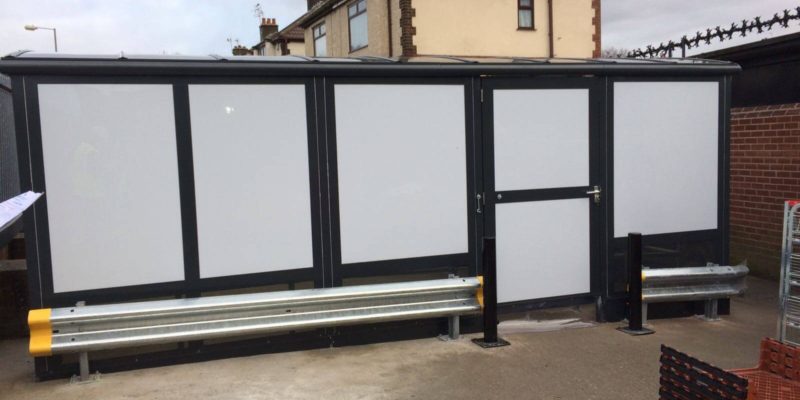
In bustling public spaces, from city centres to local parks, bus stations, and schools, shelters play a crucial role in protecting people from the elements and providing comfort and convenience. Whether it’s a bus shelter, cycle stand, smoking shelter, or waiting area, these structures must be designed to withstand the harsh realities of both the weather and potential vandalism. A poorly designed shelter can lead to safety issues, higher maintenance costs, and ultimately, an unsatisfactory experience for the public.
Creating a weather-proof, vandal-resistant shelter requires a strategic approach to materials, design, and installation. Elements like reinforced materials, durable roofing, tamper-resistant fixtures, and thoughtful design choices can make a significant difference in the lifespan and functionality of these structures. In this guide, we’ll dive deep into what it takes to design public shelters that stand the test of time, with Shelter Solutions’ products providing exemplary models of resilience and quality.
From choosing the best weather-resistant materials to incorporating anti-vandal features and even eco-friendly solar power options, this article will walk you through the key considerations for crafting the ideal shelter. With Shelter Solutions’ vast experience in creating bespoke, high-quality outdoor shelters, we’ll provide insights and practical advice on designing structures that meet the unique demands of public spaces, ensuring a reliable, long-lasting, and user-friendly solution for communities and organizations alike.
1. Choosing the Right Materials for Weather and Vandal Resistance
Selecting the right materials is essential for building a shelter that can withstand harsh weather conditions and deter vandalism. The materials chosen for a public shelter greatly affect its longevity, maintenance requirements, and resilience against environmental and human-caused damage. Below, we’ll discuss the key materials to consider and why Shelter Solutions prioritizes certain options to ensure quality and durability in their products.
Why Aluminium is Ideal for Public Shelters
Aluminium is an excellent choice for weather-proof and vandal-resistant shelters due to its natural resilience and low-maintenance qualities. Unlike steel, aluminium does not rust, which makes it a perfect fit for areas that experience frequent rain, snow, or humidity. At Shelter Solutions, all shelters are made from 100% aluminium profiles, ensuring each structure can withstand the UK’s varied weather conditions while remaining rust-free. Furthermore, aluminium is lightweight, which makes it easier to transport and install compared to other materials like steel, without sacrificing strength and durability.
Additionally, aluminium requires minimal maintenance, typically just an annual wash to keep it looking clean and new. This is especially valuable in public spaces where maintenance budgets are often limited. With a 15-year rust-free guarantee, Shelter Solutions ensures clients can rely on their shelters for long-term performance without costly repairs or replacements.
Comparing Other Materials: Steel and Composite Options
While aluminium is highly recommended, other materials can be considered depending on the shelter’s specific location and use case.
- Mild Steel: Steel has traditionally been used in shelter construction for its strength and durability. However, it requires galvanization to prevent rusting, which can still fail if the steel is scratched or damaged. Mild steel is also significantly heavier than aluminium, which increases installation costs. Steel is prone to rusting over time, especially in coastal or humid environments, and often requires repainting and maintenance. While some shelter providers still use mild steel, Shelter Solutions finds that aluminium provides a longer-lasting, more cost-effective solution.
- Galvanized Steel: A popular option for larger shelters, galvanized steel has a protective zinc coating to reduce rust. However, it remains susceptible to corrosion over time, particularly in high-traffic or coastal areas. Galvanized steel requires regular maintenance, and in exposed locations, it may still show signs of wear and tear. Despite these qualities, it remains a viable option for clients needing a highly durable material in areas where the shelter may not face constant moisture or vandalism.
- Composite Materials: For certain types of shelters, composite materials (such as fiberglass) can be used for specific components. While composites provide decent weather resistance, they are generally more expensive and lack the structural integrity that aluminium or steel offer.
Protective Coatings and Powder Coating Options
Protective coatings are a valuable addition for any shelter material. Powder coating, a popular choice for aluminium and steel, adds an extra layer of protection against the elements while also allowing for colour customization. Shelter Solutions applies polyester powder coating to their aluminium shelters, which enhances their weather resistance and provides clients with a wide range of colour options to match the shelter to its surroundings. This coating resists peeling, chipping, and fading, ensuring that the shelter remains visually appealing for years to come.
Powder coating also contributes to vandal resistance by creating a hard, smooth surface that resists scratches and graffiti. In the event that a shelter’s coating is damaged, aluminium’s inherent rust resistance ensures that the underlying structure remains intact, giving it an advantage over steel.
Conclusion: Choosing Durable, Low-Maintenance Materials
By choosing aluminium and adding protective powder coatings, Shelter Solutions creates shelters that endure the demands of public spaces with minimal upkeep. These shelters are designed to save on long-term costs while providing reliable performance and visual appeal, making aluminium the go-to material for creating weather-proof, vandal-resistant shelters in public spaces.
2. Weather-Proof Design Elements
Weather-proof design is essential for any public shelter to ensure it can withstand the elements and provide reliable protection to users. Thoughtful design choices make a significant difference in a shelter’s ability to endure rain, wind, snow, and sun exposure, all while maintaining durability and user comfort. Here, we explore key design elements that can enhance weather resistance, with examples from Shelter Solutions’ approach to creating shelters built for longevity in various climates.
Roofing Styles and Materials
The roof is a shelter’s primary barrier against the elements, so its design and material choice are crucial. Shelter Solutions offers a range of roofing options, each with distinct benefits depending on the shelter’s environment and use case.
- Dome Roofs: The curved, aerodynamic shape of a dome roof is ideal for areas with heavy rainfall or snow. The dome design encourages water runoff and prevents pooling, reducing the likelihood of leaks or structural strain. Additionally, the shape can help direct wind over the shelter rather than into it, which improves stability in windy areas.
- Pitched Roofs: Pitched roofs offer a classic design with excellent water drainage capabilities, especially effective for shelters situated in regions with frequent rain or snowfall. By sloping the roof, water flows off the sides, keeping the shelter’s interior dry and reducing the risk of standing water, which can cause wear over time.
- Flat Roofs: For areas with moderate weather and low rainfall, flat roofs are a stylish, modern option. Shelter Solutions enhances flat roofs with UV-stable, tinted polycarbonate or toughened glass panels to improve durability and protect users from harmful UV rays. Though less ideal in heavy rainfall areas, flat roofs are practical in urban spaces where a sleek aesthetic is desired.
Each roofing type is crafted using UV-stable, weather-resistant polycarbonate, which shields users from sun exposure while maintaining clarity and toughness against rain and wind.
Seamless Integration of Weather Barriers
Effective weather-proof shelters require more than just a well-designed roof. The structure must incorporate design elements that prevent water from entering and resist other environmental factors like wind and snow.
- Minimized Seams and Gaps: Reducing seams in the shelter’s structure is a key strategy for waterproofing. Fewer seams mean fewer entry points for water, reducing the chances of leaks. Shelter Solutions designs their shelters with reinforced joins and minimal seams, creating a more cohesive, weather-resistant structure.
- Elevated Shelter Bases: Another design feature for weather-proofing is raising the base of the shelter slightly above ground level. By elevating the base, Shelter Solutions’ designs help prevent water from seeping in during heavy rain or pooling around the shelter’s foundation, which can accelerate wear over time.
Drainage Solutions
Proper drainage is essential to preventing water damage and maintaining a safe, dry environment within the shelter. Without effective drainage, water can accumulate on the roof or around the shelter, leading to potential leaks, structural damage, and even unsafe conditions for users.
- Integrated Drainage Channels: For shelters in particularly rainy locations, Shelter Solutions incorporates built-in drainage channels along the roof edges or sides. These channels guide water away from the shelter, preventing pooling and reducing water-related wear on the structure.
- Sloped Roof Angles: Dome and pitched roofs also work as natural drainage solutions. With water running off the sides, there’s minimal risk of pooling. This not only extends the life of the roof material but also ensures users stay dry in rainy conditions.
UV Protection for Durability
Exposure to sunlight can cause materials to degrade over time, particularly in outdoor structures. Shelter Solutions uses UV-stable polycarbonate for shelter glazing and roofing, which resists discoloration and material breakdown due to sunlight. Tinted polycarbonate also offers additional benefits by reducing glare and providing a comfortable, shaded area for users.
Wind Resistance and Anchoring
Wind is another weather factor that shelters must be designed to resist, especially in exposed locations. Dome and pitched roofs naturally resist wind, but Shelter Solutions further reinforces their designs by anchoring shelters securely to the ground. Heavy-duty bolts and tamper-resistant screws ensure the shelter remains stable, even during high winds.
Conclusion: Building Resilience Through Design
By integrating weather-resistant features such as sloped roofs, minimized seams, elevated bases, and UV protection, Shelter Solutions creates shelters that can withstand a range of environmental challenges. These weather-proof design elements not only enhance the durability and safety of the shelter but also minimize long-term maintenance, providing communities with a reliable and resilient structure for public spaces.
3. Vandal-Resistant Features and Materials
Creating a durable, public shelter means designing it not only to withstand the weather but also to deter vandalism. Public shelters are often in high-traffic areas and, unfortunately, can be targets for graffiti, scratching, and even structural damage. Vandal-resistant materials and thoughtful design features make these shelters more resilient, reducing repair costs and extending their usable life. Shelter Solutions uses several effective strategies to ensure that its shelters remain safe, attractive, and durable over time.
Vandal-Resistant Glazing Options
The choice of glazing material is essential for creating a shelter that resists vandalism. Shelter Solutions offers two main types of glazing for its shelters: Toughened Safety Glass (TSG) and polycarbonate.
- Toughened Safety Glass (TSG): TSG is an excellent option for shelters in areas where vandalism might be a concern. It’s highly resistant to scratches and impact, which means it holds up well to minor vandalism attempts. Unlike standard glass, which can shatter easily, TSG is designed to break into small, blunt pieces if damaged, minimizing the risk of injury and making clean-up easier. It also resists discoloration and clouding, maintaining clear visibility and a clean appearance over time.
- Polycarbonate Panels: Polycarbonate is another popular choice for vandal-resistant glazing. Although not as scratch-resistant as TSG, it’s highly impact-resistant and can absorb force without shattering. In locations where shelters may experience repeated impact, polycarbonate can be an effective option. However, polycarbonate tends to scratch more easily, so Shelter Solutions uses it selectively based on the shelter’s environment and exposure level.
- Perforated Aluminium Panels: For situations requiring extra security, perforated aluminium panels can replace traditional glazing. These panels are incredibly durable and prevent both breakage and scratching. They also maintain airflow while providing visibility, making them ideal for high-risk areas.
Reinforced Frames and Tamper-Resistant Fasteners
To enhance the structural durability of shelters, Shelter Solutions reinforces the frames with high-quality aluminum, which is naturally rust-resistant and lightweight yet robust enough to withstand impact. Aluminium’s strength-to-weight ratio makes it perfect for public spaces, as it provides long-lasting stability without being prohibitively heavy or costly to install.
Tamper-resistant fasteners are also used in each shelter. Unlike standard bolts and screws, tamper-resistant fasteners require specialized tools to remove, which helps deter vandalism attempts and unauthorized access. These fasteners secure key shelter components, making it significantly harder for vandals to dismantle or damage the structure.
Durable Coatings for Vandal Resistance
Shelter Solutions applies a polyester powder coating to all aluminium frames and panels. This powder coating not only improves weather resistance but also offers a layer of protection against graffiti and scratching. The smooth finish makes it difficult for spray paint to adhere, and many types of graffiti can be easily wiped off. Additionally, powder coating is available in a range of colors, allowing Shelter Solutions to create visually appealing shelters that can blend into or enhance their surroundings.
For environments with a high likelihood of vandalism, a darker powder coating can be used to help hide any minor scuffs or marks that may occur. Powder-coated surfaces are also less likely to chip or flake, further extending the shelter’s lifespan.
Security Features to Deter Unauthorized Access
For shelters used to store items, such as cycle shelters or storage units, Shelter Solutions integrates locking mechanisms to prevent unauthorized access. Secure sliding or hinged gates can be outfitted with hasp & staple locks, pin-coded locks, or electronic key fobs, providing varying levels of access control.
For additional security, steel mesh panels can be used in place of polycarbonate, making it even more difficult for vandals to break into the shelter. Steel mesh provides visibility while adding an extra layer of security for items stored inside.
Preventive Design Choices
Beyond materials, design itself plays a role in deterring vandalism. Shelters are built with smooth, minimalistic surfaces, reducing the availability of corners and edges that could otherwise be used to pry open panels. The open design of bus and smoking shelters also improves visibility, as they can be easily monitored by security personnel or CCTV systems.
Conclusion: Designing for Longevity and Security
Through the use of vandal-resistant glazing, reinforced frames, tamper-resistant fasteners, and secure coating options, Shelter Solutions builds public shelters that endure in high-traffic, high-risk areas. These vandal-resistant design elements ensure that shelters remain secure, attractive, and low-maintenance, making them ideal for communities looking to invest in lasting infrastructure for public spaces.
4. Integrating Solar Panels for Eco-Friendly Public Shelters
With growing environmental concerns and the push toward sustainable infrastructure, solar panel integration in public shelters has become an effective way to reduce energy consumption and enhance user experience. Solar-powered shelters provide lighting and other electrical capabilities without relying on grid electricity, making them ideal for remote or high-traffic areas where traditional power sources might be difficult or costly to access. Shelter Solutions offers custom solar panel integration for various shelter types, providing an eco-friendly option that aligns with modern energy-saving goals.
Advantages of Solar Panels in Public Shelters
Solar panels offer multiple benefits in public spaces by powering lighting, charging ports, or even digital display boards, without incurring ongoing electricity costs. This eco-friendly feature also improves the overall safety and accessibility of shelters by providing lighting for evening and night-time use, making them particularly beneficial in bus stops, cycle shelters, and smoking shelters in high-traffic areas. Solar panels contribute to a sustainable, energy-efficient approach to public infrastructure, appealing to both municipalities and private clients with eco-conscious objectives.
Solar-powered shelters also help reduce carbon emissions by minimizing reliance on non-renewable energy sources. This aligns with government and community goals for reducing environmental impact, an important selling point in today’s market. Additionally, shelters with solar capabilities support communities during power outages or in remote areas where electricity access may be limited, ensuring that the shelters are functional and accessible at all times.
Best Practices for Solar Panel Integration
For solar panels to be effective, they need to be carefully integrated into the shelter’s design. Shelter Solutions uses high-quality, UV-stable polycarbonate roofing that allows the installation of solar panels while maintaining durability and weather resistance. To maximize energy capture, solar panels are strategically positioned to receive optimal sunlight exposure throughout the day. This means considering the shelter’s location, orientation, and potential shading from nearby buildings or trees.
Shelter Solutions also offers options to pair solar panels with energy-efficient LED lighting, ensuring long-lasting, bright illumination that is both cost-effective and low maintenance. LED lights consume less power than traditional bulbs, extending the life of the solar charge and ensuring continuous operation even during overcast days.
Examples from Shelter Solutions’ Portfolio
Shelter Solutions has successfully integrated solar panels into various shelters, from bus stops in remote areas to cycle shelters in urban spaces. These installations demonstrate the flexibility and functionality that solar panels can bring to public shelters. With options for different panel sizes and energy capacities, Shelter Solutions tailors solar solutions to meet the specific needs of each client, ensuring both usability and aesthetic integration.
Conclusion: Sustainable Design with Solar Power
By incorporating solar panels, Shelter Solutions not only enhances the usability of public shelters but also supports environmental sustainability. Solar integration is a practical, cost-effective way to improve safety, reduce operational costs, and contribute to a greener future, making it an ideal choice for communities and businesses aiming to invest in eco-friendly public infrastructure.
5. Design Considerations for Ease of Maintenance
Ease of maintenance is an essential factor when designing public shelters. In high-traffic areas, shelters are exposed to various environmental stresses, from daily wear and tear to weather impacts. Simplifying maintenance not only reduces costs but also keeps shelters safe, clean, and appealing for users. Shelter Solutions designs each shelter with durability and minimal upkeep in mind, employing materials, structural choices, and finishes that make maintenance straightforward and infrequent.
Low-Maintenance Materials and Coatings
One of the most effective ways to reduce maintenance is by selecting materials that resist weathering, corrosion, and damage. Shelter Solutions uses 100% aluminium for its shelters, a rust-free material that withstands rain, snow, and humidity, eliminating the need for regular repainting or treatment. Aluminium’s natural resistance to rust and corrosion makes it a low-maintenance option compared to steel, which requires protective coatings and periodic repainting, especially in wet environments.
To further enhance durability, Shelter Solutions applies a polyester powder coating to all aluminium frames. This coating not only improves weather resistance but also protects against scratches and minor abrasions, preserving the shelter’s appearance. Powder-coated surfaces are easy to clean and resist chipping, which is particularly valuable in high-traffic public spaces. The smooth coating makes it easy to remove graffiti and dirt, keeping shelters looking new with minimal effort.
Modular Design for Easy Repairs
Shelter Solutions structures its shelters with modular design principles, meaning each component can be easily replaced without needing to dismantle the entire structure. This is particularly beneficial if a panel or section sustains damage, as individual parts can be swapped out quickly, minimizing downtime and repair costs. Modular design also makes it easier to upgrade components, such as installing solar panels or changing glazing options, without extensive renovation.
Maintenance Tips for Longevity
Though minimal maintenance is required, annual cleaning can extend the life of public shelters significantly. Shelter Solutions recommends a simple wash with warm, soapy water once a year to remove dust, grime, and any accumulated pollutants. For glazed surfaces, such as Toughened Safety Glass (TSG) or polycarbonate panels, regular cleaning prevents scratches and clouding, maintaining clear visibility and a professional appearance.
Streamlined Design Choices
Simplified design with minimal seams, corners, and joints helps reduce areas where dirt and moisture can accumulate. Shelter Solutions also elevates the shelter bases slightly to prevent pooling of water around the foundation, which helps avoid corrosion and structural degradation over time.
Conclusion: Designing for Longevity and Simplicity
Shelter Solutions prioritizes low-maintenance features to ensure that their shelters remain clean, safe, and visually appealing with minimal upkeep. By selecting durable materials, using modular components, and streamlining design, these shelters provide communities with reliable infrastructure that saves on long-term maintenance costs and offers dependable public service.
6. Customization Options to Fit Any Public Space
Public spaces vary widely, from bustling city centres to quiet school grounds, and each environment has its unique needs and aesthetic preferences. Customization allows shelters to blend seamlessly into their surroundings while meeting specific functional requirements. Shelter Solutions specializes in bespoke designs, offering an array of customization options that ensure each shelter is tailored to fit its intended location, both visually and practically.
Colour Customization and Aesthetic Choices
Colour plays a crucial role in making a shelter either stand out or blend into its environment. Shelter Solutions applies a polyester powder coating to aluminium frames, available in a wide range of colours. For city settings, vibrant colons may be chosen to create visually appealing bus stops or smoking shelters that are easy to spot. In more natural environments, such as parks or school grounds, earthy tones can be selected to blend in harmoniously with the landscape.
This colour customization also includes the option to match a brand’s identity or adhere to local council colour schemes, making the shelter feel like an intentional part of the community. Additionally, the durable powder-coated finish resists fading and weathering, ensuring the chosen colour remains fresh and vivid over time.
Roofing Styles and Glazing Options
Shelter Solutions offers various roofing options to suit different weather conditions and aesthetic preferences. From dome to flat or pitched roofs, each style can be customized to optimize sheltering needs and visual appeal. Dome and pitched roofs are popular in areas with heavy rainfall or snow, while flat roofs offer a sleek, modern look for urban spaces.
For glazing, customers can choose from Toughened Safety Glass (TSG), polycarbonate, or perforated aluminium panels. Each option offers different levels of visibility, security, and aesthetic value, allowing clients to tailor the shelter to the safety and privacy needs of the area. For instance, polycarbonate or TSG glazing is ideal for clear visibility, while perforated aluminium adds security and reduces breakability, making it suitable for high-traffic or high-risk locations.
Functional Add-Ons
Shelter Solutions provides functional add-ons to enhance user experience and improve shelter functionality. These include features such as seating options (perch seats or benches), built-in LED lighting powered by optional solar panels, and bike racks for multi-purpose shelters. Lockable gates or electronic access can also be added to storage or cycle shelters for added security, creating a safer space for equipment or personal belongings.
Adaptability for Unique Needs
For spaces that need even more specific modifications, such as schools or parks, Shelter Solutions offers bespoke layouts that may include additional side panels, customized signage, or storage compartments. These adaptable designs ensure that shelters can meet diverse needs across public spaces, from open smoking shelters to enclosed storage units.
Conclusion: Tailoring Shelters for Every Setting
By offering extensive customization options, Shelter Solutions empowers clients to create shelters that perfectly align with their aesthetic and functional needs. From colour and glazing choices to practical add-ons, Shelter Solutions’ commitment to customization ensures that each shelter enhances its public space while providing long-lasting service and value.
Conclusion & Key Takeaways
Designing a durable, weather-proof, and vandal-resistant shelter for public spaces requires thoughtful consideration of materials, structure, and user needs. With Shelter Solutions’ expertise in creating bespoke shelters, clients are assured of high-quality, long-lasting products tailored to fit any environment, from bustling urban centres to peaceful park settings.
Key considerations in public shelter design include selecting resilient materials like aluminium, which is both rust-free and lightweight, and reinforcing it with protective powder coatings for enhanced weather and vandal resistance. Thoughtful features like domed or pitched roofs improve water drainage, while options for secure glazing, like Toughened Safety Glass (TSG) or perforated aluminium panels, enhance visibility and security. Additionally, integrating solar panels offers an eco-friendly lighting solution that adds safety without increasing operational costs.
Customization options, such as colour choices, roof styles, and functional add-ons, allow each shelter to blend seamlessly into its surroundings and meet specific needs. Whether it’s a simple bus stop or a secure cycle shelter, Shelter Solutions provides designs that save on maintenance, extend durability, and meet aesthetic preferences.
By prioritizing these design elements, Shelter Solutions creates shelters that endure the demands of public spaces, offering communities reliable, sustainable infrastructure that enhances user experience and contributes to a safer, more attractive public environment. For a consultation on custom shelter solutions tailored to your specific requirements, contact Shelter Solutions and begin designing a structure that will truly stand the test of time.